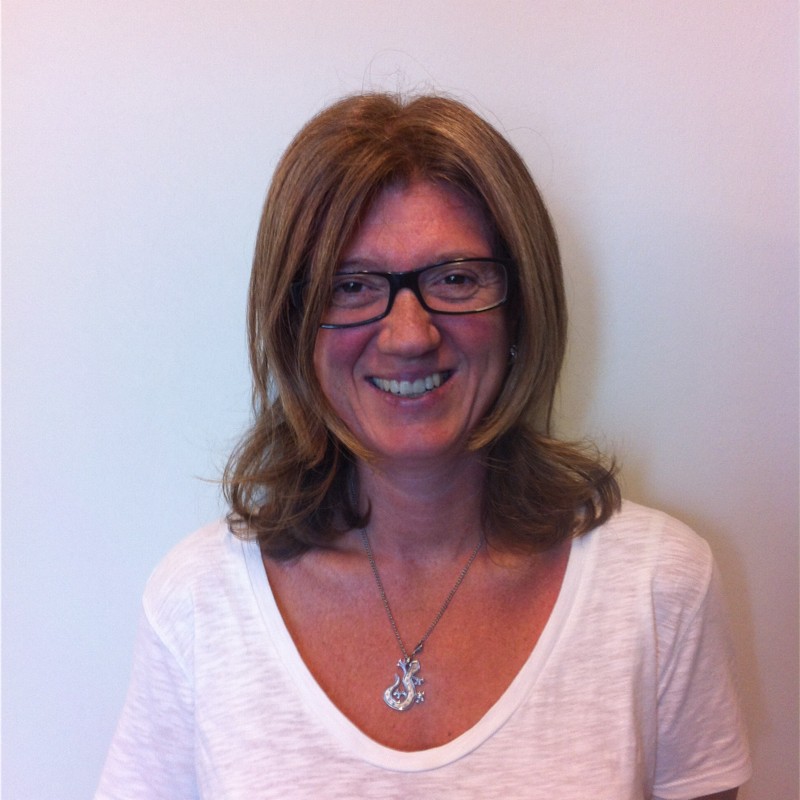
Gabriella Quaranta
Head of Network, ENoLL

Gabriella Quaranta
Head of Network, ENoLLGabriella works in EU funded projects since more than ten years, working with multidisciplinary teams, fostering collaboration among a wide range of stakeholders. She also served as one of the Italian National Contact Point (NCP) for Horizon 2020 and Horizon Europe, in the fields of transport and security. Throughout her career, she coordinated numerous EU-funded projects, not only overseeing project management but also leading dissemination, communication, and stakeholder engagement activities. This experience has enabled her to develop deep expertisein these areas. Additionally, she delivered dozens of training sessions on project management issues, Horizon 2020 and Horizon Europe, helping to build capacity across the R&I community. After a long period in APRE, the Italian Agency for the Promotion of European Research, and two years at EMSO ERIC, the European Multidisciplinary Seafloor and Water Column Observatory, she enthusiastically joined ENoLL as Head of Network Unit and Senior Project Manager. In this role, she also coordinated the EU-funded project GILL - Gendered Innovation Living Labs.
Valeria Catalano
Senior Market Development Officer, EU Agency for the Space Programme (EUSPA)
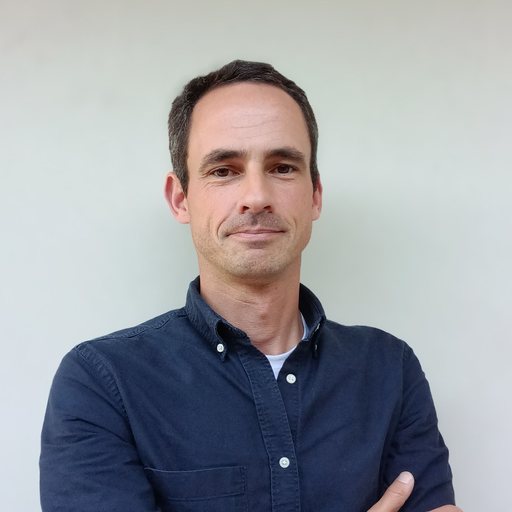
Valeria Catalano
Senior Market Development Officer, EU Agency for the Space Programme (EUSPA)Valeria Catalano is a Senior Market Development Officer at the European Union Agency for the Space Programme (EUSPA). She has been working in the space world since more than 20 years. She first worked in Thales Alenia Space Italy as antenna engineer. She was the technological designer of first Galileo satellite antenna. Then she joined the Italian Space Agency where she managed several space projects and missions in different areas as navigation and earth observation. In EUSPA she is responsible for space-based services development of the Smart Cities, including related technological projects, and for the market launch of EGNSS new services.
Vasco Mantas
Director, Climate and Spatial Intelligence Platform, University of Coimbra, and International Member, NASA Precipitation Measurement Missions Science Team
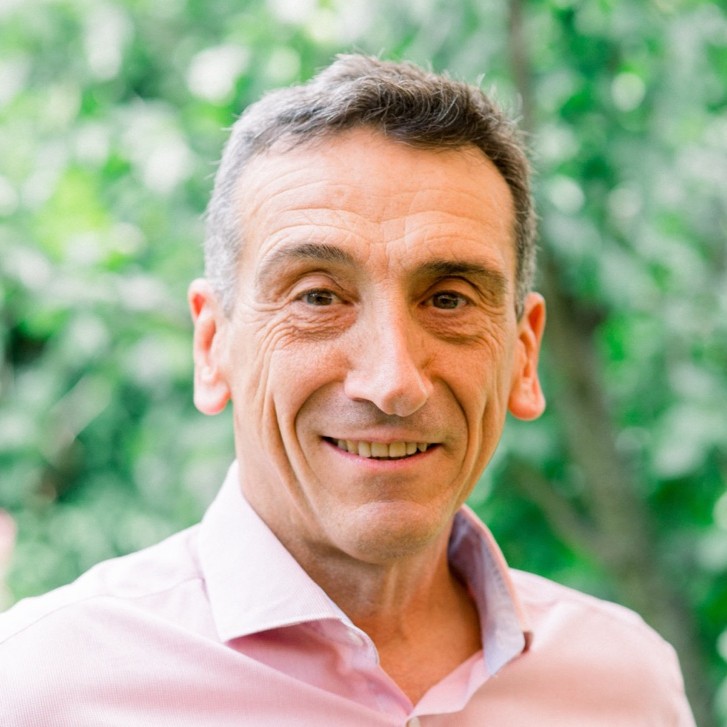
Vasco Mantas
Director, Climate and Spatial Intelligence Platform, University of Coimbra, and International Member, NASA Precipitation Measurement Missions Science Team
Dr Vasco Mantas works at the Earth Science Department of the University of Coimbra, leads the university’s Climate and Spatial Intelligence Platform (CSIp), and is an international member of NASA’s Precipitation Measurement Missions Science Team. His work focuses on transforming Earth Observation data into actionable knowledge for communities, institutions and decision-makers, with a strong emphasis on land surface and atmosphere interactions and watershed resilience.
At CSIp, he develops and applies Earth Observation and AI-based methods using multi-modal data, integrating satellite observations, ground information, drones and other geospatial sources. This work supports multidisciplinary research and operational applications, including land use and land cover mapping, precipitation monitoring, product validation, vegetation characterisation, environmental risk assessment and watershed-scale decision support. A central goal is to create robust, transparent and user-oriented interconnected products that can be tested, improved and adopted through Living Lab approaches.
Beyond his research activities, he is Secretary of AGU Informatics, co-leads the NASA GPM Mentorship Programme, and mentors students, teachers and early career scientists internationally.
Marta Martorell Camps
Director, Digital Society Technologies (DST) research group, i2CAT

Marta Martorell Camps
Director, Digital Society Technologies (DST) research group, i2CATMarta Martorell Camps is the director of the Digital Society Technologies (DST) research group at i2CAT and a member of the Board of the European Network of Living Labs (ENoLL). A specialist in digital social innovation, Living Labs, digital rights, and value-based impact assessment (Key Value Indicators – KVIs), she promotes ethical, inclusive, and people-centered approaches to digital transformation. She leads European and international projects related to the digital and green transition, socio-digital inclusion, international cooperation, and the development of open innovation ecosystems. She is a frequent speaker at international forums such as OpenLivingLab Days, the UN Science Summit, ISIRC, and the Smart City Expo World Congress. She is currently a PhD candidate in the Sustainability program at the Universitat Politècnica de Catalunya (UPC), where she researches methodologies for assessing the impact of social and digital innovation aimed at generating public and social value.
Renske Martijnse-Hartikka
Senior Project Manager, Forum Virium Helsinki

Renske Martijnse-Hartikka
Senior Project Manager, Forum Virium Helsinki
Renske is a senior project manager with a degree in Political Science and International Relations and wide experience across both the private and public sector. For over fifteen years she has worked to make cities better places to live, under the umbrella of many different EU-funded projects and often with a focus on sustainable urban mobility and innovation procurement.
She has been employed since 2018 by Forum Virium Helsinki, the non-profit innovation organisation that forms part of the City of Helsinki. Her work focuses on leading large cross-European projects, for example on automated vehicles, on the ground and in the air, and on satellite data.
She has worked in the space data ecosystem for several years, as Coordinator of the EU-funded SPACE4Cities Pre-Commercial Procurement. The possibilities and impact of using highly innovative satellite data-based solutions in urban planning and city challenges are at the core of that work, alongside the innovation procurement aspect and close cooperation between companies and cities.
Patrik Ondrejech
Project Director and Regional Innovation Strategist, Trnava Region and Regional Development and Innovation Agency (EcoLab Trnava)

Patrik Ondrejech
Project Director and Regional Innovation Strategist, Trnava Region and Regional Development and Innovation Agency (EcoLab Trnava)Patrik Ondrejech is a public policy architect and regional innovation strategist at the Trnava Region and its Regional Development and Innovation Agency, where he serves as Project Director of a multimillion-euro EU-funded regional innovation ecosystem programme, leading a team of around 35 people and the EcoLab Trnava Living Lab. He co-authored the REWARD project (Interreg Europe) during a traineeship at the Trnava Region’s Representation to the EU in Brussels, and helps shape the region’s flagship innovation and mobility strategies, translating research, technology and experimentation into measurable territorial impact. Trained as a lawyer at Trnava University with a background in international law, including as a Jessup International Moot Court competitor and coach, he brings a governance and policy-driven perspective to open innovation. He served as Youth Delegate of Slovakia to the Council of Europe Congress and works to build inclusive, future-oriented regional innovation ecosystems in Central Europe. Beyond his institutional role, he founded the Trnava+ civic initiative and the Studio Mendelssohn design studio, and champions Living Lab approaches that connect public administration, education, research and local communities.
Bernard Thumerel
Managing Director and Project Manager at E2L, Design Thinking, Strategy
Bernard Thumerel
Managing Director and Project Manager at E2L, Design Thinking, StrategyI have been with E2L for over 13 years, where our team has developed an open innovation model focused on supporting companies in the creation of new services and in connecting technological research with societal needs. Our work addresses major challenges such as climate change and the energy transition, using a participatory approach that places users at the heart of the design process. My professional experience reflects a strong commitment to public policy innovation and public service design, strengthened through successful collaborations with organisations such as PUCA, Mines and INRAE. With extensive expertise in territorial development strategies and Living Labs, I work to build synergies between economic and societal innovation, contributing to the positive transformation of our environment and society.