Hanna-Greta Puurtinen
Head of RDI, School of Built Environment and Bioeconomy, and Senior Specialist, Project Management Office, Tampere University of Applied Sciences

Hanna-Greta Puurtinen
Head of RDI, School of Built Environment and Bioeconomy, and Senior Specialist, Project Management Office, Tampere University of Applied Sciences
Hanna-Greta Puurtinen has worked at Tampere University of Applied Sciences (TAMK), Finland, since 2006. She received her Master of Science and Licentiate of Technology degrees in Biomedical Engineering from Tampere University of Technology in 2000 and 2002, and graduated as Master of Arts, majoring in German Philology, International Relations and French, from the University of Tampere in 1998.
She currently holds two positions at TAMK: Head of Research, Development and Innovation at the School of Built Environment and Bioeconomy, and Senior Specialist at the Project Management Office. She has 25 years of work experience across international scientific and applied research and innovation.
Her work focuses on EU policy frameworks and European and national project funding instruments such as Horizon Europe. She has represented TAMK Living Lab in the ENoLL Council since 2019.
Ella Kallio
Senior Project Manager, Tampere University of Applied Sciences

Ella Kallio
Senior Project Manager, Tampere University of Applied SciencesElla Kallio and Katriina Lammi support TAMK’s multidisciplinary Living Labs and RDI projects through TAMK’s RDI Services. Their work covers the full project lifecycle from preparation and funding applications to implementation and stakeholder collaboration, fostering co-creation, innovation, and sustainable impact.
Sofía Ballesteros Rodriguez
Social Worker and Innovation Project Officer, Fundación INTRAS

Sofía Ballesteros Rodriguez
Social Worker and Innovation Project Officer, Fundación INTRASSocial Worker and Innovation Project manager with experience in the development and management of initiatives aimed at improving the quality of life and participation of older people, people with disabilities, and people with mental health problems. My work combines social intervention with innovation, project coordination, and the development of solutions that promote autonomy, participation, and social inclusion.
Renske Martijnse-Hartikka
Senior Project Manager, Forum Virium Helsinki
Renske Martijnse-Hartikka
Senior Project Manager, Forum Virium Helsinki
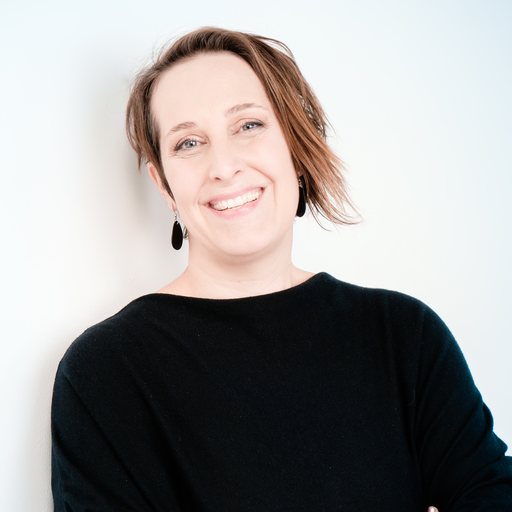
Renske is a senior project manager with a degree in Political Science and International Relations and wide experience across both the private and public sector. For over fifteen years she has worked to make cities better places to live, under the umbrella of many different EU-funded projects and often with a focus on sustainable urban mobility and innovation procurement.
She has been employed since 2018 by Forum Virium Helsinki, the non-profit innovation organisation that forms part of the City of Helsinki. Her work focuses on leading large cross-European projects, for example on automated vehicles, on the ground and in the air, and on satellite data.
She has worked in the space data ecosystem for several years, as Coordinator of the EU-funded SPACE4Cities Pre-Commercial Procurement. The possibilities and impact of using highly innovative satellite data-based solutions in urban planning and city challenges are at the core of that work, alongside the innovation procurement aspect and close cooperation between companies and cities.
Ayako Katano
Researcher, Kobe University / SUNDRED

Ayako Katano
Researcher, Kobe University / SUNDREDAyako Katano is a researcher at Kobe University and is also involved in SUNDRED Inc. and co.shiga. With an academic background in environmental studies, her interests include ecosystem conservation, sustainability, regenerative approaches, Living Labs, and human–nature relationships. Her current work connects research and practice to address regional challenges through collaboration among diverse stakeholders. She is particularly interested in water environments, ecosystems and biodiversity, and explores how place-based practices can contribute not only to sustaining communities and ecosystems, but also to regenerating the relationships between people, place, and nature.
Maike Gaertner
Living Lab Coordinator, Eawag / BlueX

Maike Gaertner
Living Lab Coordinator, Eawag / BlueXMaike Gaertner is a living lab coordinator at the Department Urban Water Management at Eawag, a water research institute in Zürich. She holds degrees in science management and environmental engineering with a focus on urban water management. Her current role is the set-up of the Blue Nexus Lab (BlueX), an urban living lab for water and climate adaptation. The urban living lab BlueX is a collaboration of eight municipalities in Limmattal, a regional utility company, and scientists. Maike focuses on knowledge management and the network of stakeholders within and outside of BlueX. She is passionate about transdisciplinary collaboration and maintaining the quality of life in a changing climate.
Òscar Larraga
Social Anthropologist and Community Engagement Specialist, Science for Change
Òscar Larraga
Social Anthropologist and Community Engagement Specialist, Science for Change
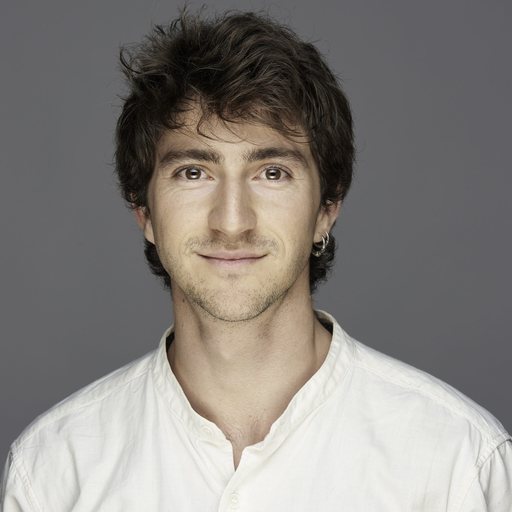
Òscar Larraga studied cinema and completed a postgraduate degree in documentary photography, which led him to choose the social and cultural specialisation in the degree of Anthropology and Human Evolution.
Following his receipt of the Ministry of Education Collaboration Grant, he participated in the inter-university CARE MODEL project. He is currently pursuing a Master’s degree in Territorial Planning and Environmental Management at the University of Barcelona, to strengthen the application of his anthropological expertise in territorial governance and environmental planning.
At Science for Change, Òscar leads recruitment and engagement activities, manages participants within the SFC Community, and designs and implements projects at different scales that require transdisciplinary skills, innovative methodologies and social research.
Alain Renk
Co-founder, Open Urbanism Foundation

Alain Renk
Co-founder, Open Urbanism Foundation
Alain Renk is Co-founder of the Open Urbanism Foundation. He is an architect and urban planner, co-author of the principles of open urbanism, author of the book “Building the Complex City?” and Research Director at the Foundation’s Lab.
A pioneer of open-source civic tech for participatory urbanism through Unlimited Cities and Urban Dash, he acts as Coordinator of the European multinational research project Multigination. He is also co-founder of the Swiss umbrella organisation for participation, Director of the Foundation’s studio for operational projects, and an associate partner of UN-Habitat’s World Urban Campaign.
He won the favourite European Participation Award 2025 for the Libellule Vernier project.
Guillermo Zaragoza
Director, Plataforma Solar de Almería (CIEMAT), and Director, Sustainable Desalination Living Lab
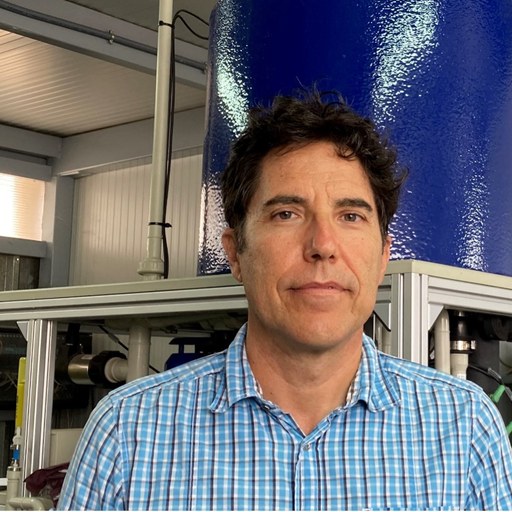
Guillermo Zaragoza
Director, Plataforma Solar de Almería (CIEMAT), and Director, Sustainable Desalination Living Lab
Dr Guillermo Zaragoza holds a PhD in Physics and is director of Plataforma Solar de Almería, a centre of the Spanish research organisation CIEMAT, and director of the Sustainable Desalination Living Lab. He has previously held academic positions at the University of Oxford and the Spanish National Research Council.
He is a board director of the European Desalination Society, an ambassador of Water Europe and leader of its Expert Group on Desalination. He also co-leads the Desalination and Photosynthesis R&D unit of CIESOL, a joint centre of the University of Almería and CIEMAT, and represents Spain on the Executive Committee of the International Energy Agency’s Technology Collaboration Programme on Heat Pumping Technologies.
His research focuses on the application of solar energy to desalination within the water, energy and food nexus, supported by extensive academic experience and participation in international research and innovation projects.
Anni Kerttula
Research Coordinator, Flavoria Research Platform, University of Turku

Anni Kerttula
Research Coordinator, Flavoria Research Platform, University of TurkuCoordinator of the multidisciplinary Flavoria® Research Platform & Living Lab and a Communications Specialist in various food-chain development projects at the University of Turku, Finland. Background in communications, marketing and translation studies.
Milena Eberharter-Fink
Sustainable Impact & Living Lab Manager, Zurich University of Applied Sciences (ZHAW)

Milena Eberharter-Fink
Sustainable Impact & Living Lab Manager, Zurich University of Applied Sciences (ZHAW)Milena is Sustainable Impact & Living Lab Manager at Zurich University of Applied Sciences (ZHAW), where she supports co-creative, transdisciplinary projects in the field of sustainable development. Her work focuses on the social dimension of sustainability, exploring how collaboration between science, organizations, and society can generate viable solutions for real-world impact. Milena brings experience from international, cross-university sustainability networks, where she has contributed to shaping collaborative approaches to sustainability in higher education. She is passionate about bringing together diverse stakeholders to co-design solutions to complex sustainability challenges.
Isabel Drummond
PhD student in Geography, Urban, and Environmental Studies, Concordia University in Montreal

Isabel Drummond
PhD student in Geography, Urban, and Environmental Studies, Concordia University in MontrealIsabel Drummond is a PhD student in Geography, Urban, and Environmental Studies at Concordia University in Montreal, Canada. Her doctoral research investigates the governance of living labs as urban climate experiments and examines their impacts on local landscapes.
Laura Abraham
Researcher, Meise Botanic Garden

Laura Abraham
Researcher, Meise Botanic GardenLaura Abraham is a researcher at Meise Botanic Garden, coordinating EU-funded biodiversity projects including OneSTOP (invasive species detection) and B3 (Biodiversity Building Blocks for Policy). She is currently involved in stakeholder engagement, leading Living Labs, workshops, and citizen science activities to foster co-creation among researchers, policymakers, and the public.
Anna Chrysafi
Project Management, Q-PLAN International

Anna Chrysafi
Project Management, Q-PLAN InternationalAnna Chrysafi is a research and innovation professional with a PhD in population dynamics and natural resources management. Her career bridges academia and industry, combining scientific expertise with hands-on experience in European research and innovation projects. At Q-PLAN International, she contributes to project management, dissemination, communication, exploitation, and stakeholder engagement across initiatives focused on sustainability, agroecology, climate resilience, and responsible natural resource use. She is currently involved in the Horizon Europe projects GALILEO and CANALLS, supporting Living Lab approaches, co-creation, and multi-actor collaboration across African contexts. She is passionate about translating research into practical impact and fostering inclusive, evidence-based solutions for sustainable development.
Iida Pyykö
Project Researcher, University of Oulu

Iida Pyykö
Project Researcher, University of OuluIida Pyykkö is a Project Researcher at the University of Oulu and starting her PhD studies in the Geography Research Unit in Autumn 2026. Her research focuses on sustainable cultural tourism co-creation and the resilience of rural and remote communities. She works within the EU Horizon CROCUS project, which examines cross-border tourism sustainability and community perspectives in the Torne Valley region between Finland and Sweden. Pyykkö holds an academic background in geography, tourism, sustainable destination development, and circular economy, and her work explores the intersections of place-based tourism development in borderlands, sustainability transitions, and community resilience.
Johannes (Hans) Lodders
Co-founder, XQuote
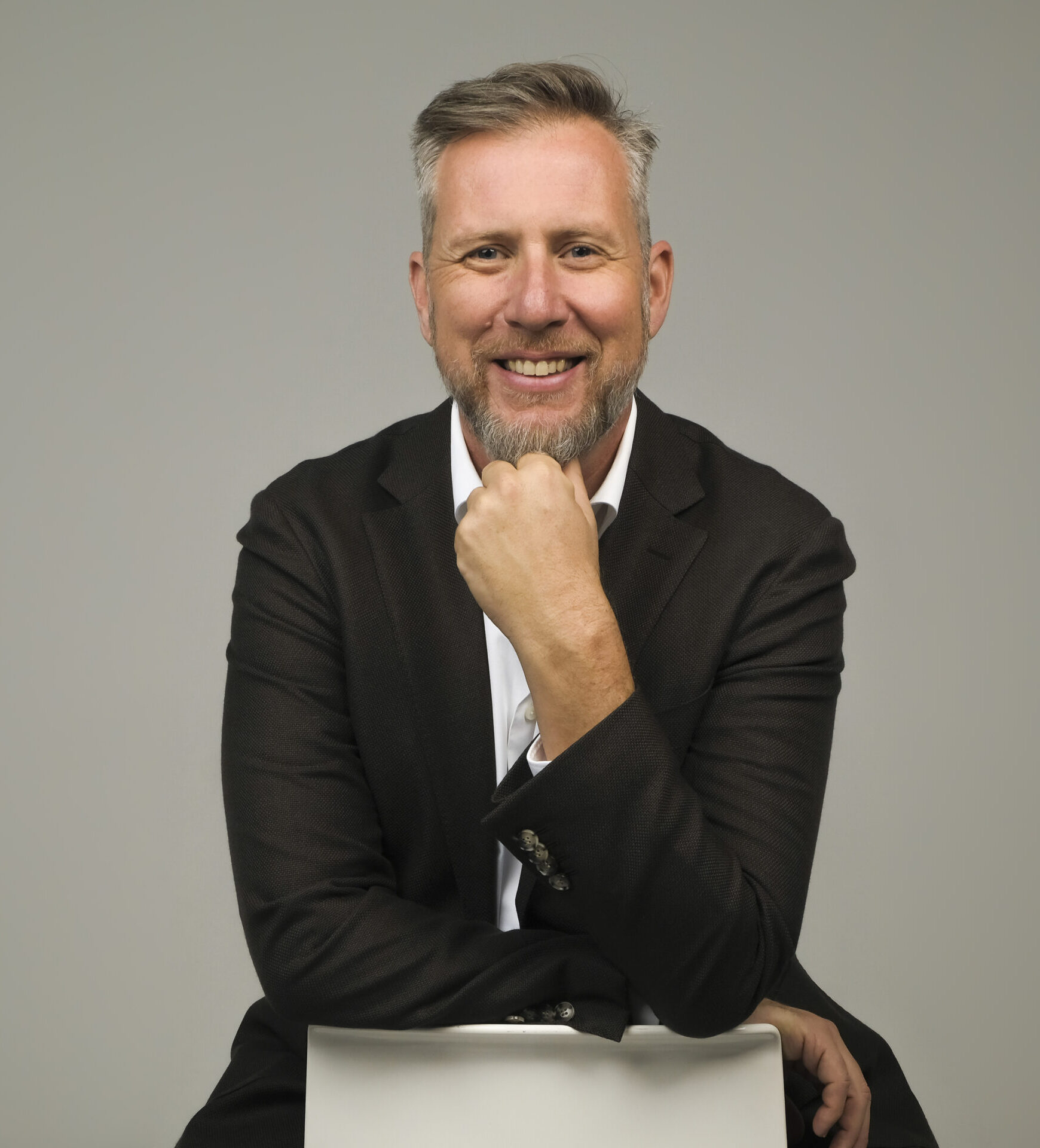
Johannes (Hans) Lodders
Co-founder, XQuoteHans Lodders (Dutch) holds a Master’s degree in Media and Innovation and has over 25 years of experience as a consultant, project and programme manager. His work focuses on the development of new services, platforms, and building organisations at the intersection of innovation, sustainability, education and collaboration. He is specialised in setting up and facilitating broad multi-stakeholder partnerships across public, private, academic, and civil society actors. Hans is currently also a social entrepreneur and co-founder of QXote in 2021, a quintuple helix Living Lab in the rural south of Portugal, that brings together education, research, business, government, and local communities to support sustainable regional development through learning, experimentation, and co-creation.