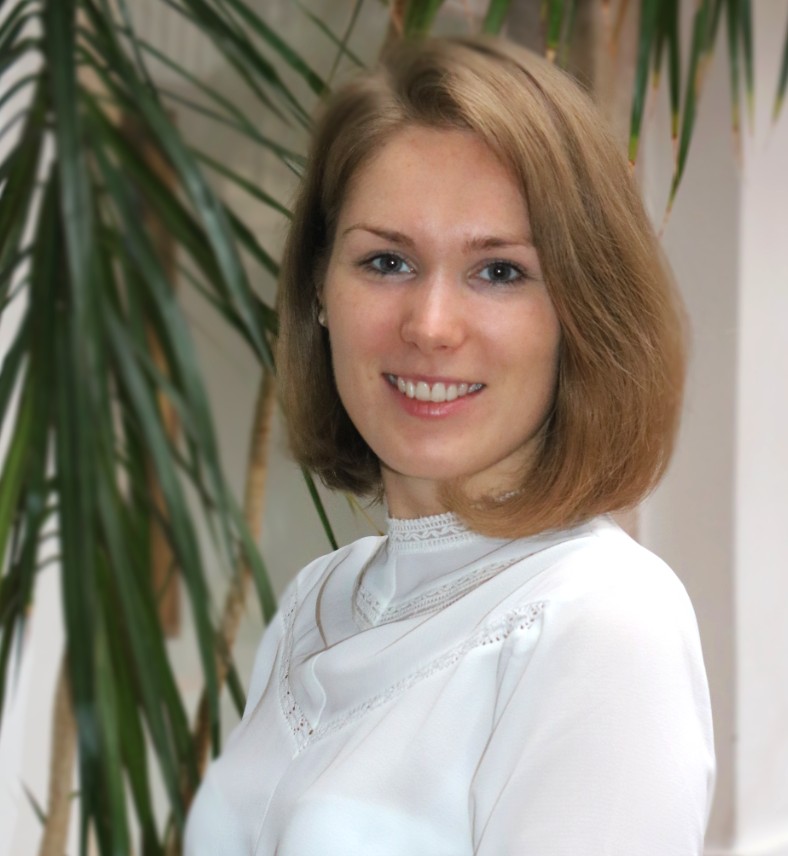
Dolinda Cavallo
Project Manager, ENoLL

Dolinda Cavallo
Project Manager, ENoLL
Dolinda Cavallo is a Project Manager at the European Network of Living Labs (ENoLL). She holds a master’s degree in international relations from the University of Bologna – Forlì Campus, along with a bachelor’s degree in foreign languages and cultures where she studied English, Spanish, and Russian at the University of Pavia.
Her career spans various European countries where she has contributed to non-profit organizations as both a Project Manager and Coordinator of EU-funded projects covering diverse areas such as agriculture, soil, environment, migration, and social inclusion.
Currently, Dolinda is actively engaged in ENoLL’s portfolio of Agri and Soil-related projects and co-chairs the working group on Agriculture, Agrifood, and Rural issues.
Korinna Varga
Head of Agricultural Policy Research Group, LL manager – Hungarian Research Institute of Organic Agriculture (ÖMKi)
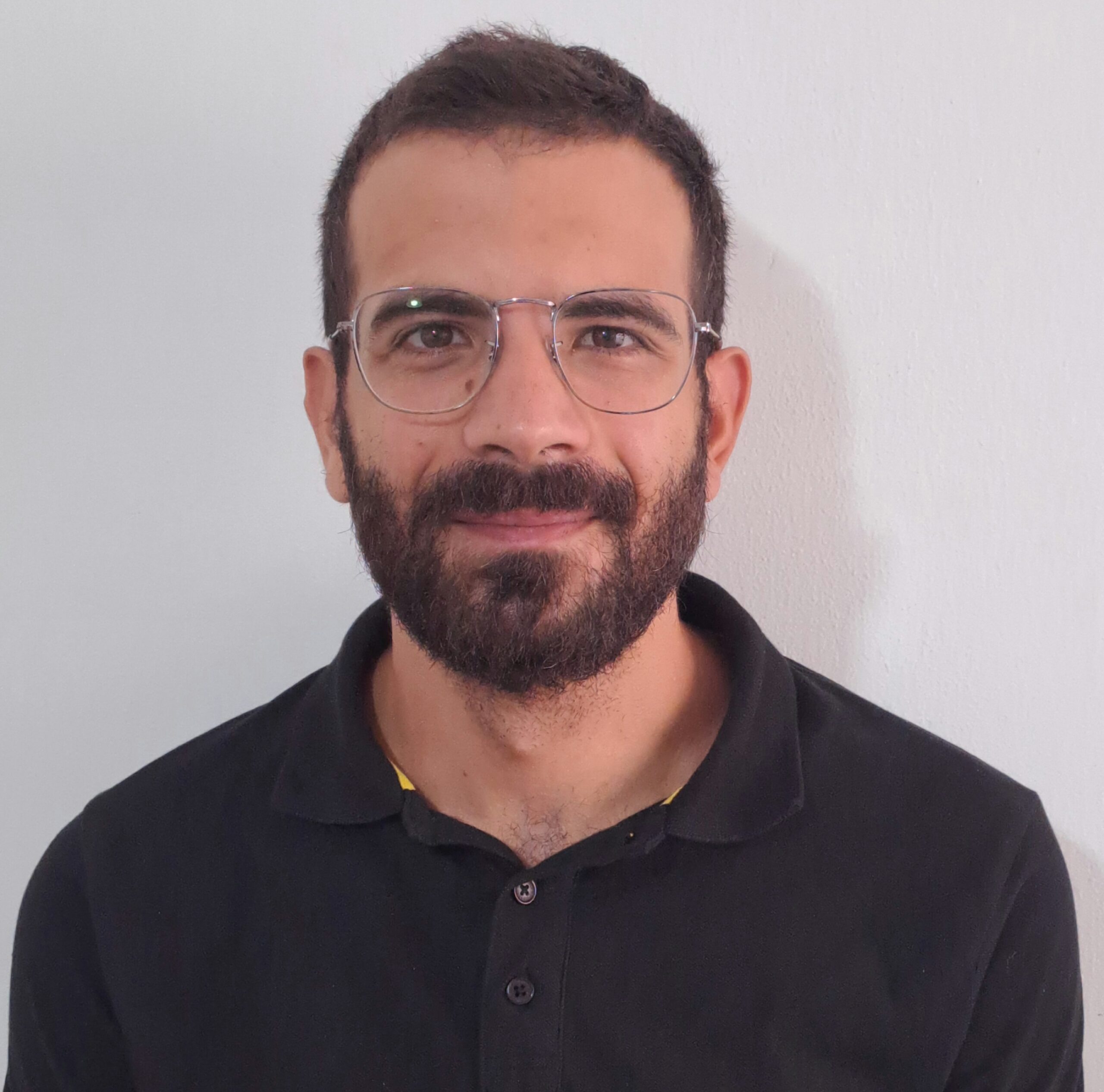
Korinna Varga
Head of Agricultural Policy Research Group, LL manager – Hungarian Research Institute of Organic Agriculture (ÖMKi)Korinna Varga is specialized in agricultural and bioeconomy policy. Her area of expertise involves organic farming and agroecology relevant national policy analysis, research, and advisory for achieving the sustainable transition of the agri-food sector. She is the coordinator of the European Network of Agroecology Living Labs and Research Infrastructures under the AGROECOLOGY Partnership. Besides, she also manages ÖMKi’s On-Farm Living Lab, her research work focuses on co-creation experiences in agroecology living labs and upscaling multistakeholders networks, while she works toward the wider adoption of the "living lab" approach and methodology in the national agricultural research context.
Lorenzo Labellarte
Project Manager, CIHEAM Bari
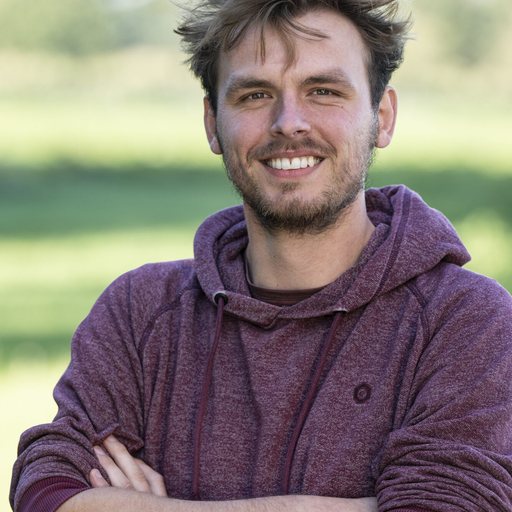
Lorenzo Labellarte
Project Manager, CIHEAM BariLorenzo Labellarte is a project manager and researcher at CIHEAM Bari, working on European and international initiatives supporting sustainable food systems, rural innovation, and participatory governance. His expertise includes stakeholder engagement, Living Labs, and multi-actor approaches for the co-design of innovative solutions in the agrifood sector. He contributes to the Mediterranean Innovation Rural Living Lab (MEDIL), certified by ENoLL, and is involved in research and innovation activities aimed at fostering sustainable and resilient rural communities.
Reindert Devlamynck
Research Leader Energy and Circular Economy, and Living Lab Coordinator, Living Lab Inagro
Reindert Devlamynck
Research Leader Energy and Circular Economy, and Living Lab Coordinator, Living Lab Inagro
Reindert Devlamynck works for Inagro, the applied research and advisory centre for agriculture and horticulture in Flanders, Belgium.
He was involved in the foundation and establishment of the Living Lab Circularity of Inagro in 2020. In 2026 this evolved into a merged Living Lab of Inagro focusing on innovative farming systems, covering areas such as greenhouse horticulture and soil health.
His role in the Living Lab is to structure its activities and to support and educate colleagues in reaching the highest quality of multi-actor approach.
Susana Filipe
CEO, Global Change and Sustainability Institute (CHANGE)

Susana Filipe
CEO, Global Change and Sustainability Institute (CHANGE)Susana Filipe is the CEO of the Global Change and Sustainability Institute (CHANGE), a leading R&D Hub of over 360 researchers focusing on the development of evidence-based governance and environmental policies. With 20 years of international experience across Europe and the Middle East, she has managed multidisciplinary teams in academia and the chemical industry. Since 2012, Susana has also served as a European Commission Expert, evaluating and steering Horizon projects. Within the Montado Living Lab, as an expert in circularity, resource preservation and valorisation, her work drives science-based public policies for soil health and agricultural systems, translating advanced R&D into evidence-based solutions for global sustainability challenges.
Pietro Iavazzo
Head of Research and European Projects, Department of Agriculture, ERSAF
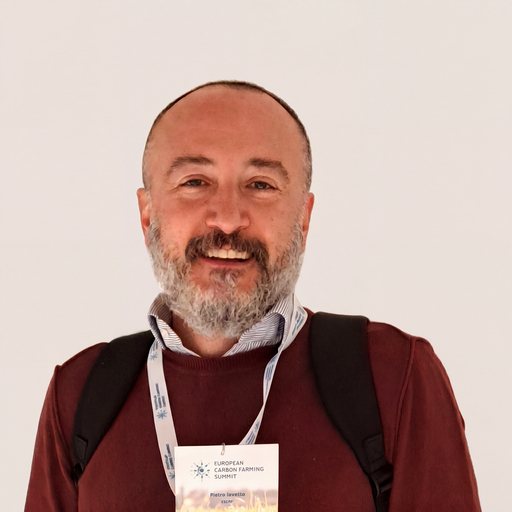
Pietro Iavazzo
Head of Research and European Projects, Department of Agriculture, ERSAF
Pietro Iavazzo is an environmental agronomist and PhD specialist in soil chemistry at ERSAF, the Regional Agency for Agriculture and Forestry Services of Lombardy, where he heads the Research and European Projects unit.
With nearly twenty years of experience spanning academic research, environmental remediation and EU project management, his work focuses on soil health monitoring, carbon farming and precision agriculture. At ERSAF he coordinates field experiments, regional soil monitoring networks and international partnerships under LIFE and Horizon programmes.
He is also responsible for the Living Lab “Innovative and Sustainable Models for Soil Health”, which operates within Lombardy’s AKIS framework to co-design and validate sustainable soil management practices with farmers and research institutions.
Gerda Jónász
Research Lead, Hungarian Research Institute of Organic Agriculture (ÖMKi)
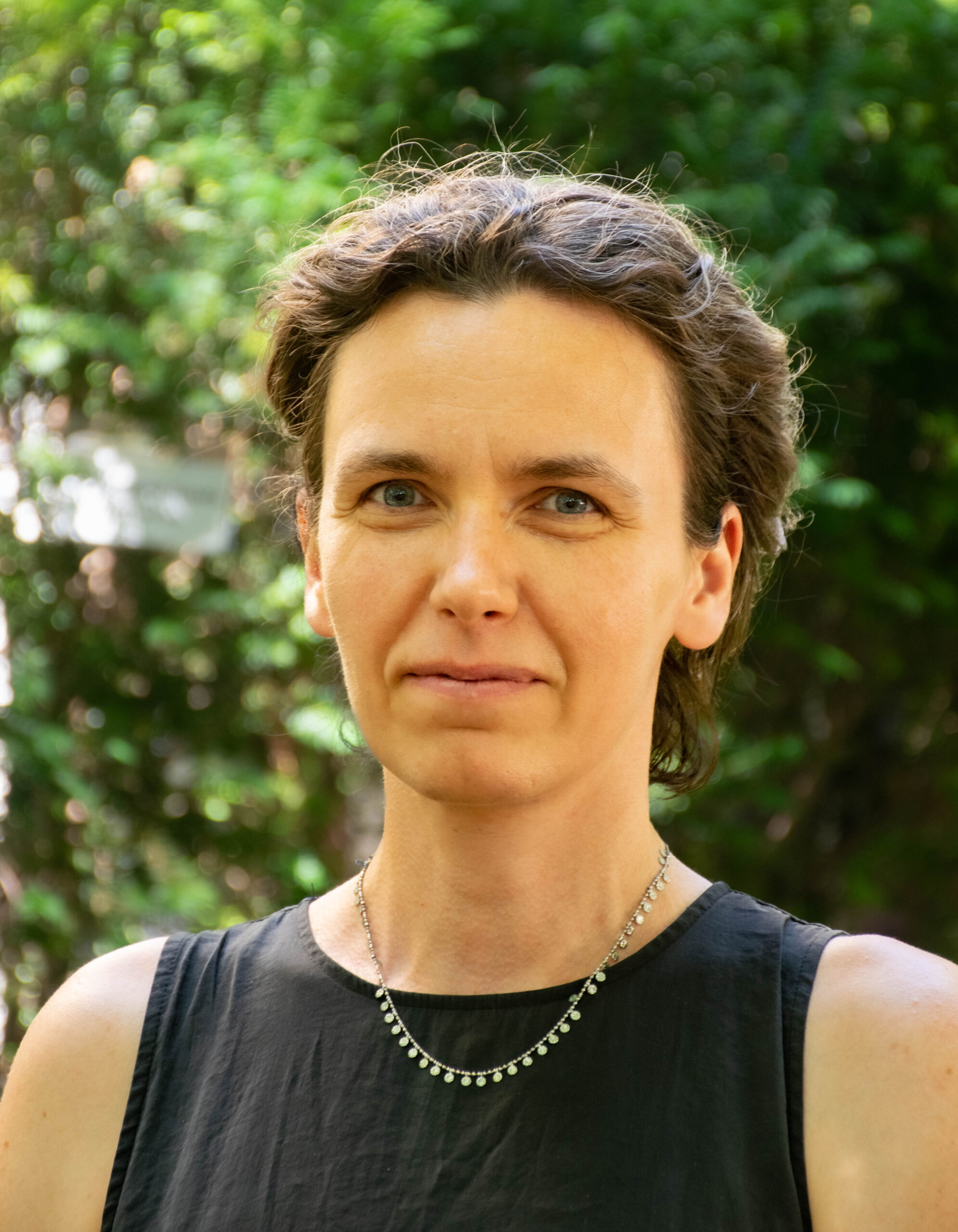
Gerda Jónász
Research Lead, Hungarian Research Institute of Organic Agriculture (ÖMKi)Gerda Jónász specialises in developing and strengthening Agroecology Living Labs, with a focus on methodology, capacity building, multi-actor co-creation, and impact assessment. Currently, she leads the development and coordination of an Agroecology Living Lab Incubator Programme providing training and mentoring for emerging Living Lab initiatives, helping participants develop their ideas, partnerships, and collaborative processes towards implementation. Within the Agroecology Partnership, she coordinates the co-design of a shared impact assessment framework for Agroecology Living Labs and Research Infrastructures. Her work builds on extensive experience in organic agriculture research and farmer-participatory innovation, with a focus on strengthening collaboration, supporting scaling, and contributing to sustainable agricultural transitions.