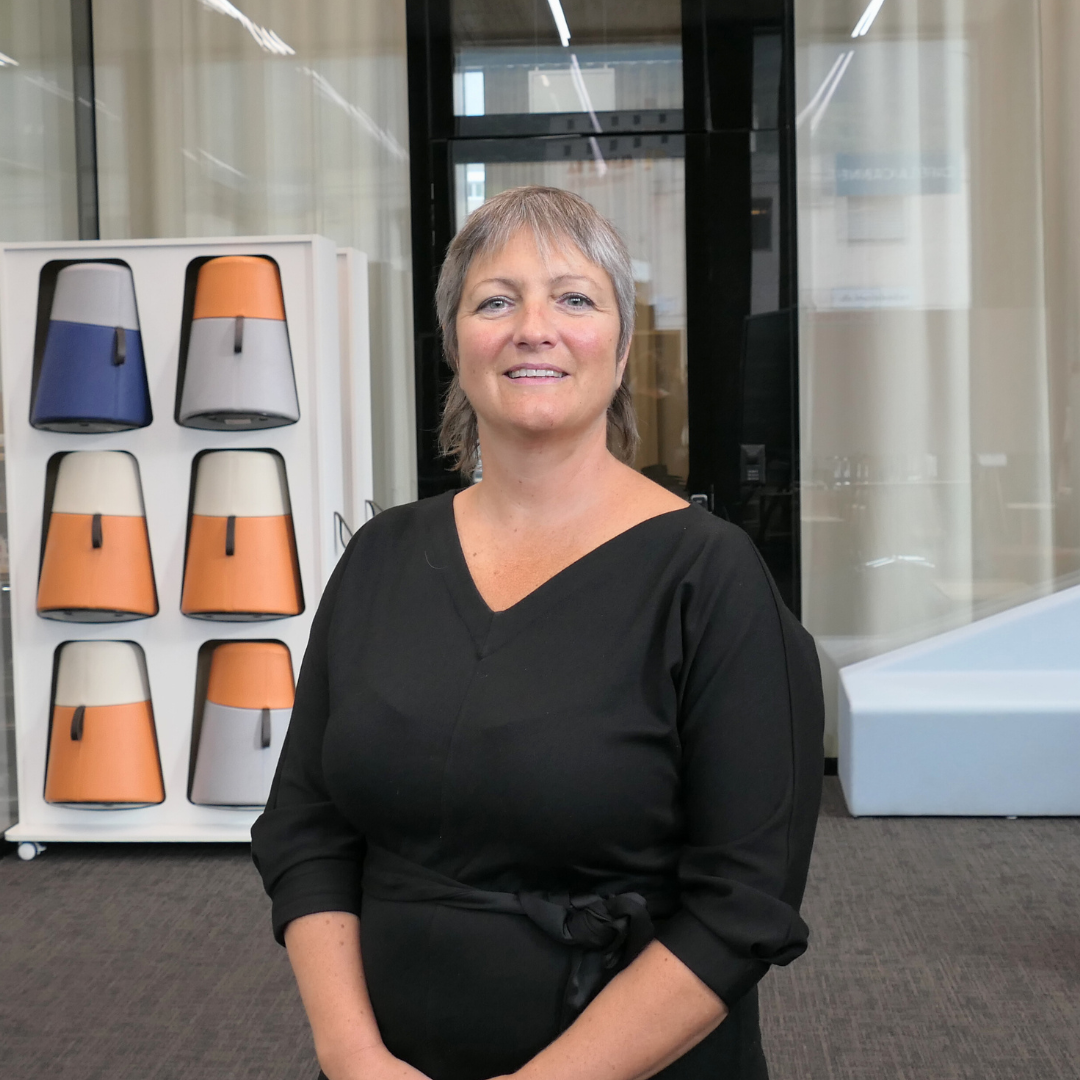
Fiona Zimmermann
Senior Research Associate & Panel Manager, Energy Living Lab
Fiona Zimmermann
Senior Research Associate & Panel Manager, Energy Living LabFiona Zimmermann is a senior research associate working as a panel manager at the Energy Living Lab at the University of Applied Sciences Western Switzerland (HES-SO) since 2019. Fiona is currently chair of the ENoLL Working Group on Energy and Environment. Prior to working in research, Fiona worked as an energy and environmental management professional for 20 years internationally with energy services companies, governments and utilities on developing sustainability projects. With a diploma in Business & Energy Management and a Masters in Environmental Management for Business, Fiona is now developing her academic career through a PhD in sustainable transitions at the DRIFT Institute. Fiona is originally Irish but relocated to Switzerland in 2016 where she lives with her two daughters. She is passionate about biodiversity and enjoys open water swimming in her free time.
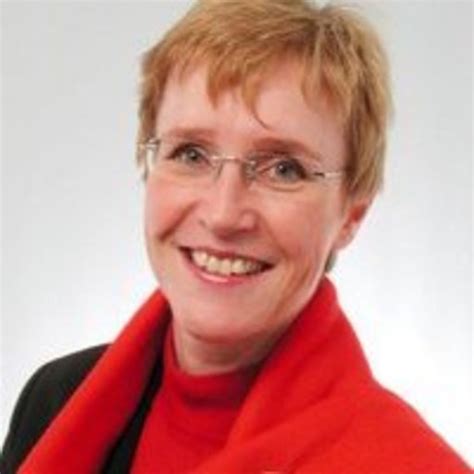
Tuija Hirvikoski
Member of EC Expert Groups
Tuija Hirvikoski
Member of EC Expert GroupsTuija Hirvikoski is a Finnish innovation and higher-education leader with extensive experience in stakeholder collaboration, regional development, and living-lab ecosystems. As a Director at Laurea University of Applied Sciences, she has led strategic stakeholder management and innovation partnerships. Internationally recognized for her work in open innovation, user-centred design, and ecosystem development, she has held leadership roles across higher education and the public sector. Her expertise lies in bringing together businesses, public authorities, researchers, and citizens to co-create solutions through Living Lab approaches. She holds a PhD in Industrial Management and serves on the board of the European Network of Living Labs (ENoLL).
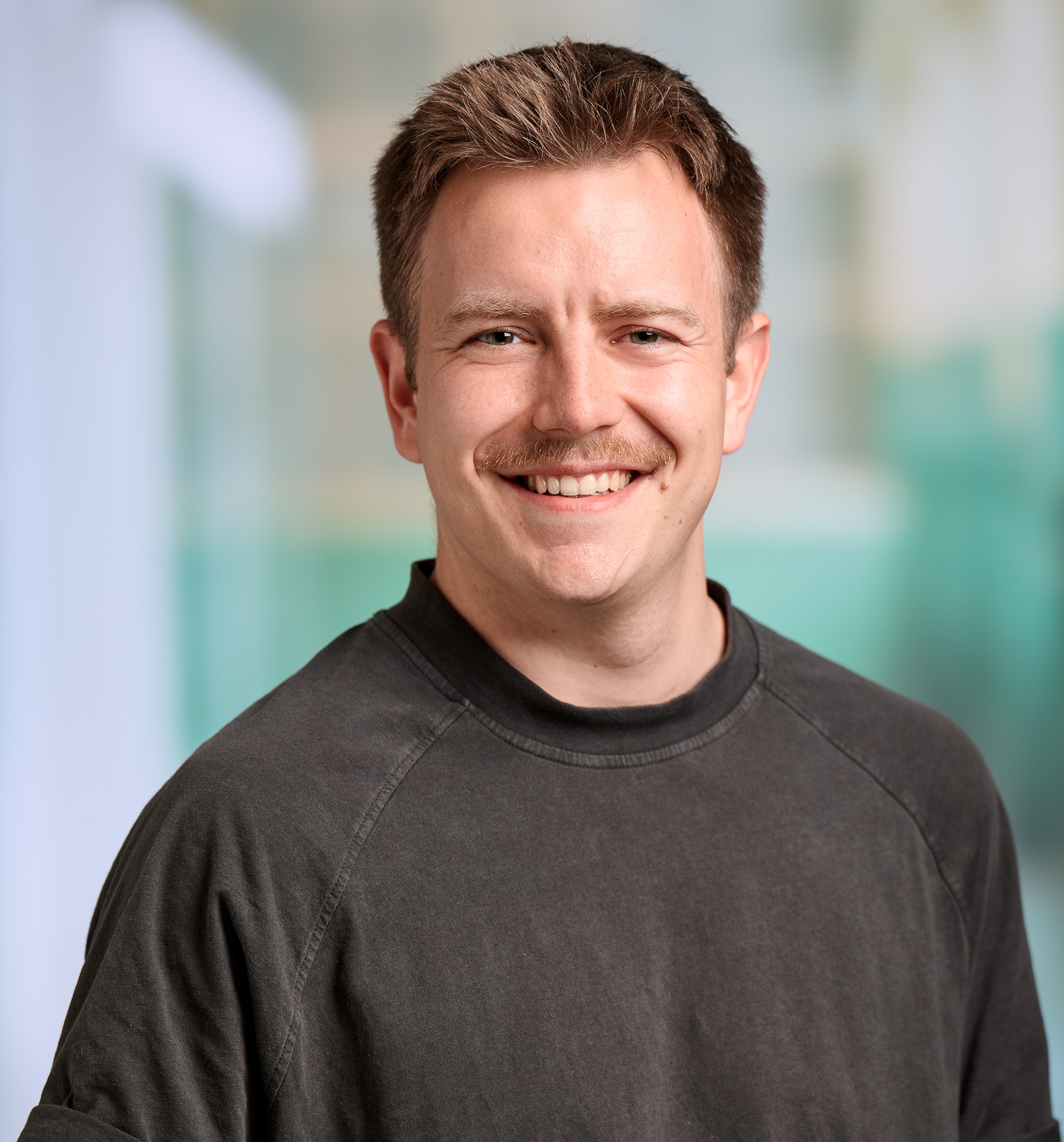
Aaron Ehrat
Operational Sustainability Manager, Zurich University of Applied Sciences
Aaron Ehrat
Operational Sustainability Manager, Zurich University of Applied SciencesAaron is an engineer and sustainability professional with a focus on data-driven approaches to positive environmental and social impact. He holds a Bachelor's degree in Mechanical Engineering and a Master's in Management, Technology, and Economics from ETH Zurich. Before joining the Zurich University of Applied Sciences (ZHAW) in early 2025, he worked in the energy sector and contributed to an education project with Helvetas in Mozambique as part of his Master's studies. At ZHAW, he supports the development of sustainability data and processes, helping to strengthen evidence-based sustainability management across the institution, with a key focus on university operations. Aaron values direct collaboration and the use of data insights to drive meaningful, practical change toward more sustainable systems.
Alexandra Petcu
Innovation Manager at Advanced Environmental Research Institute, West University of Timișoara, host of the UVT Digital & Green Living Lab

Alexandra Petcu
Innovation Manager at Advanced Environmental Research Institute, West University of Timișoara, host of the UVT Digital & Green Living LabAlexandra Petcu is the coordinator of the UVT Digital & Green Living Lab and head of Innovation & Technology Transfer at the West University of Timișoara (WUT/UVT). She also serves as a visiting lecturer at the Faculty of Economics and Business Administration and the Faculty of Physics at WUT. With previous experience in the Education Ministry during the Romanian Secretariat of the Bologna Follow-Up Group, Alexandra has contributed to policy recommendations in education, innovation, and entrepreneurship. She has led the development of a sustainability-driven student entrepreneurial ecosystem in Western Romania, resulting in the launch of new businesses focused on low CO2 emissions, biodiversity conservation, waste reduction, and digital innovation; since then, she is co-facilitator of the regional entrepreneurship & innovation ecosystem in the West region of Romania. In her current role, Alexandra coordinates the innovation and sustainability strategy for the UNITA – Universitas Montium European University Alliance at WUT. Her research centers on Living Lab methodologies in schools and universities, supporting the EU’s research and education goals for the twin transition.
Torsten Masseck
Director, LOW3 Living Lab
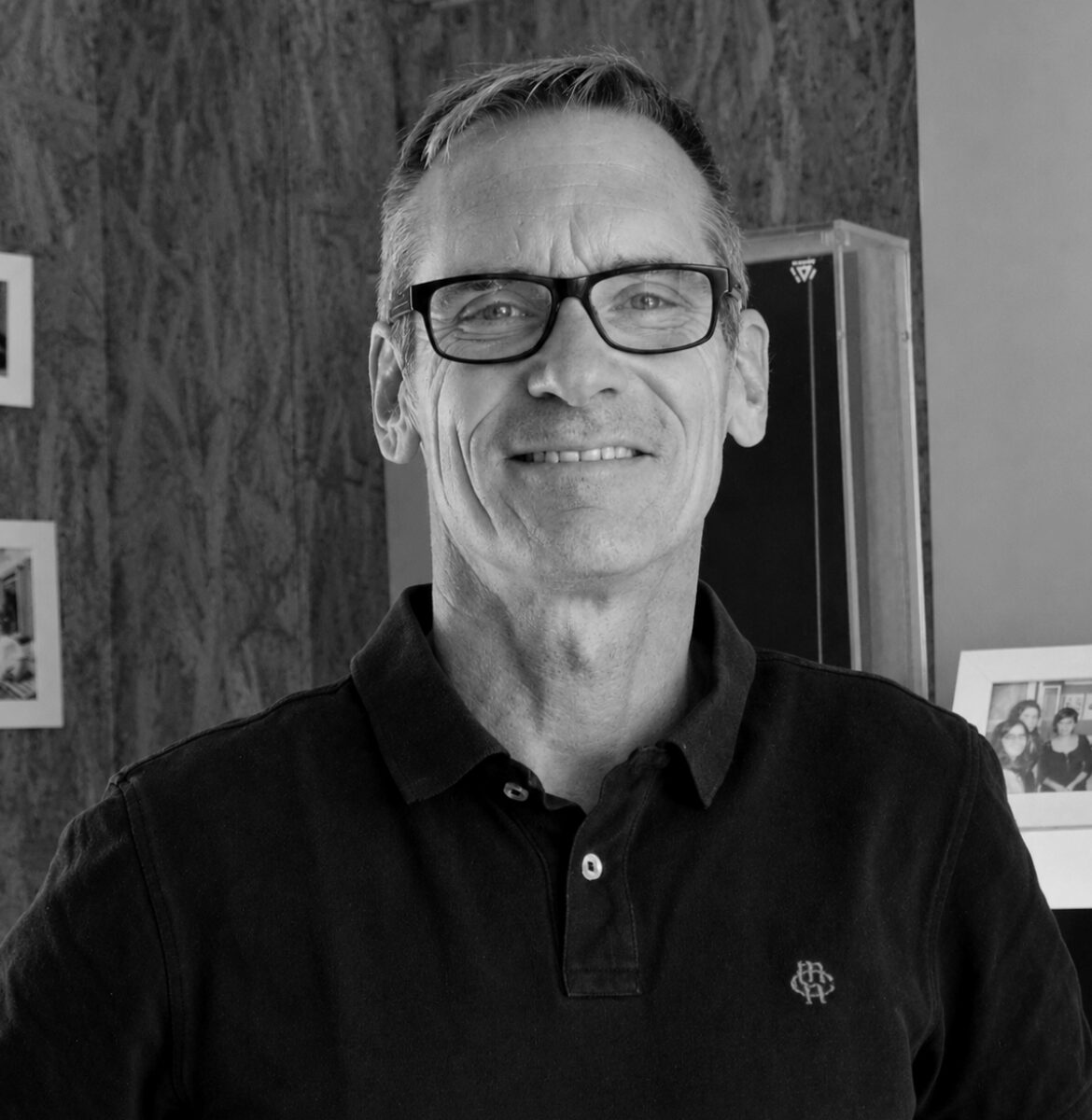
Torsten Masseck
Director, LOW3 Living LabTorsten Masseck is an Associate Professor (Serra Hunter Fellow) in the Department of Architectural Technology at the Universitat Politècnica de Catalunya (UPC), Faculty of Architecture ETSAV, where he teaches Construction Systems, Energy, and Sustainable Housing and Lifestyles. He is an expert in Building Integrated Photovoltaics (BIPV) and Zero Energy Buildings, and since 2003 has led the Solar Research Unit CISOL and the LOW3 Living Lab (www.livinglab-low3.blogspot.com) at ETSAV (UPC). He is the UPC coordinator of European research projects related to smart buildings and smart cities, such as REGEN4BE (Regenerative Neighbourhoods – Campus Lab ETSAV), Roadmaps for Energy – R4E (Horizon 2020), and the Sustainable Lifestyles Accelerator, developing strategies and tools for the sustainability transition of buildings, cities, and society. His passion is transformative teaching based on living‑lab methodologies, engaging students in real‑world, collective, and experience‑based approaches that include interdisciplinary collaboration, discussion of values, and practical experiences of behavioural change. https://futur.upc.edu/TorstenMasseck
Stavros Filippidis
Postdoctoral Researcher, University of Western Macedonia, Department of Electrical and Computer Engineering
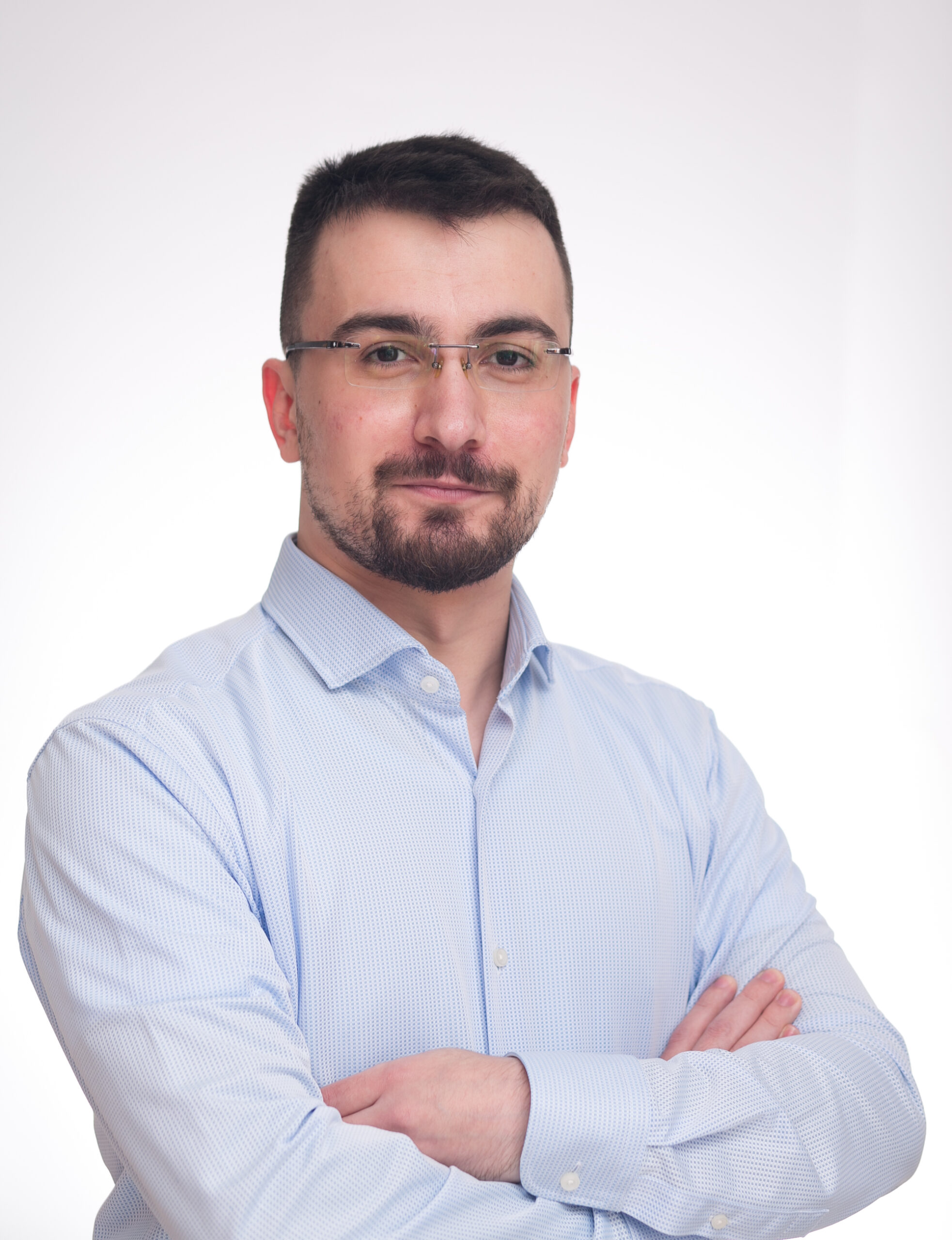
Stavros Filippidis
Postdoctoral Researcher, University of Western Macedonia, Department of Electrical and Computer EngineeringStavros P. Filippidis is a Postdoctoral Researcher at the Department of Electrical and Computer Engineering, University of Western Macedonia, Greece, specializing in energy storage technologies, smart grids, and sustainable energy systems. He received his Ph.D. in Electrical and Computer Engineering in 2025, focusing on the optimization of superconducting magnetic energy storage (SMES) systems. His research interests include superconducting technologies, renewable energy integration, power system optimization, digital twins, and advanced energy storage applications. He has participated in numerous European research projects, including Horizon Europe, Horizon 2020, LIFE, Erasmus+, and IPA ADRION initiatives, contributing to innovative solutions for energy transition and decarbonization. Dr. Filippidis has authored several peer-reviewed journal articles and conference papers, particularly in the fields of superconductivity and power systems. Alongside his research, he teaches undergraduate courses in energy economics and power systems and actively supervises student projects while developing digital platforms supporting research and engineering education.
Sam Rye
Senior Research Officer, Monash University
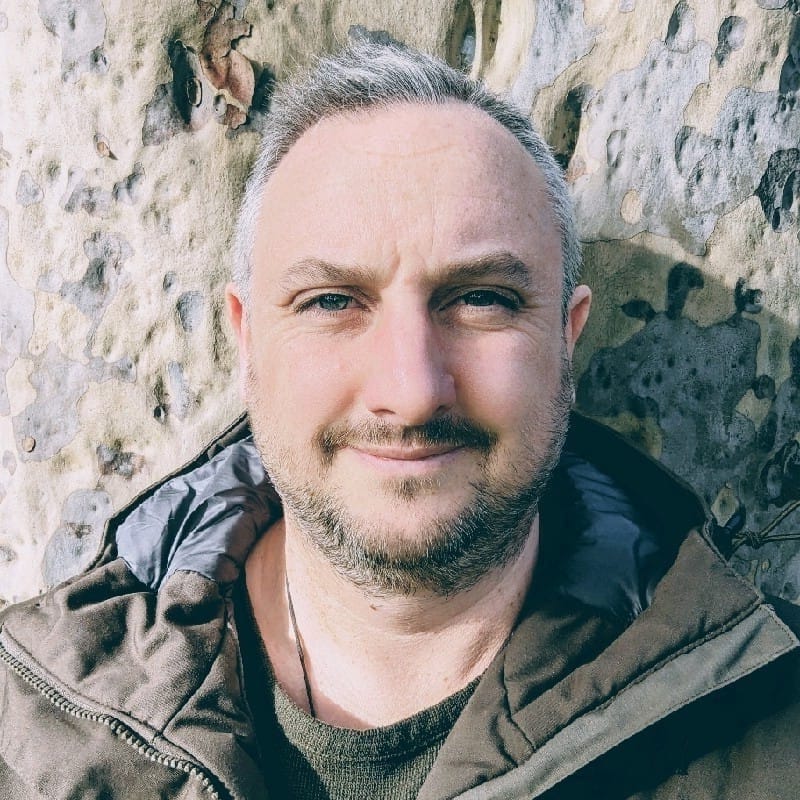
Sam Rye
Senior Research Officer, Monash UniversitySam leads Monash University's Living Lab Infrastructure. Working with Living Labs across the university, he works with academics to integrate education, research, campus operations, industry and community engagement. With a background in strategic and systemic design, participatory processes, knowledge translation and with 15+ years supporting cross-sectoral collective action through the likes of social innovation labs, Sam aims to further grow Monash University's capability and supporting structures to tackle the Grand Challenges of our age.
Violaine Coard
Research Program Coordinator and Innovation Coach, Smart Living Lab in Fribourg

Violaine Coard
Research Program Coordinator and Innovation Coach, Smart Living Lab in FribourgViolaine Coard is Research Program Coordinator and Innovation Coach at the Smart Living Lab in Fribourg, Switzerland. Specialized in Living Lab methodologies, stakeholder engagement and impact evaluation, she supports sustainability and energy transition initiatives. Her work focuses on helping researchers and practitioners identify needs, co-design solutions, and develop collaborative projects that are both user-centered and implementable in practice. Drawing on experience across academic, cultural, commercial, and technological settings, she brings a transversal perspective to innovation and collaboration.