Sara Ahmed
Professor, Faculty of Medicine and Health Sciences, McGill University
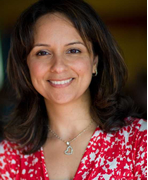
Sara Ahmed
Professor, Faculty of Medicine and Health Sciences, McGill UniversitySara Ahmed, PT, Ph.D., is a Professor in the Faculty of Medicine and Health Sciences, at McGill University, and a senior scientist at the RI-MUHC Center for Outcomes Research and Evaluation and the Centre de recherche interdisciplinaire en réadaptation (CRIR). She leads a research program in person-centered digital health research and is the scientific director of the BRILLIANT learning health community project, part of a network of international Living Labs, and Open Science initiatives. Dr. Ahmed conducts research aimed at improving health outcomes for individuals with chronic diseases. Her research addresses the implementation of digital health solutions and patient-centered outcomes across trajectories of care to inform clinical and health system decision-making. She is an advisor for the Implementation of Patient-Centered Outcomes for the Quebec Support Unit, and the scientific director of the FRQS Digital Health Network.
Dr André Bussières
Professor, Department of Chiropractic, Université du Québec à Trois-Rivières
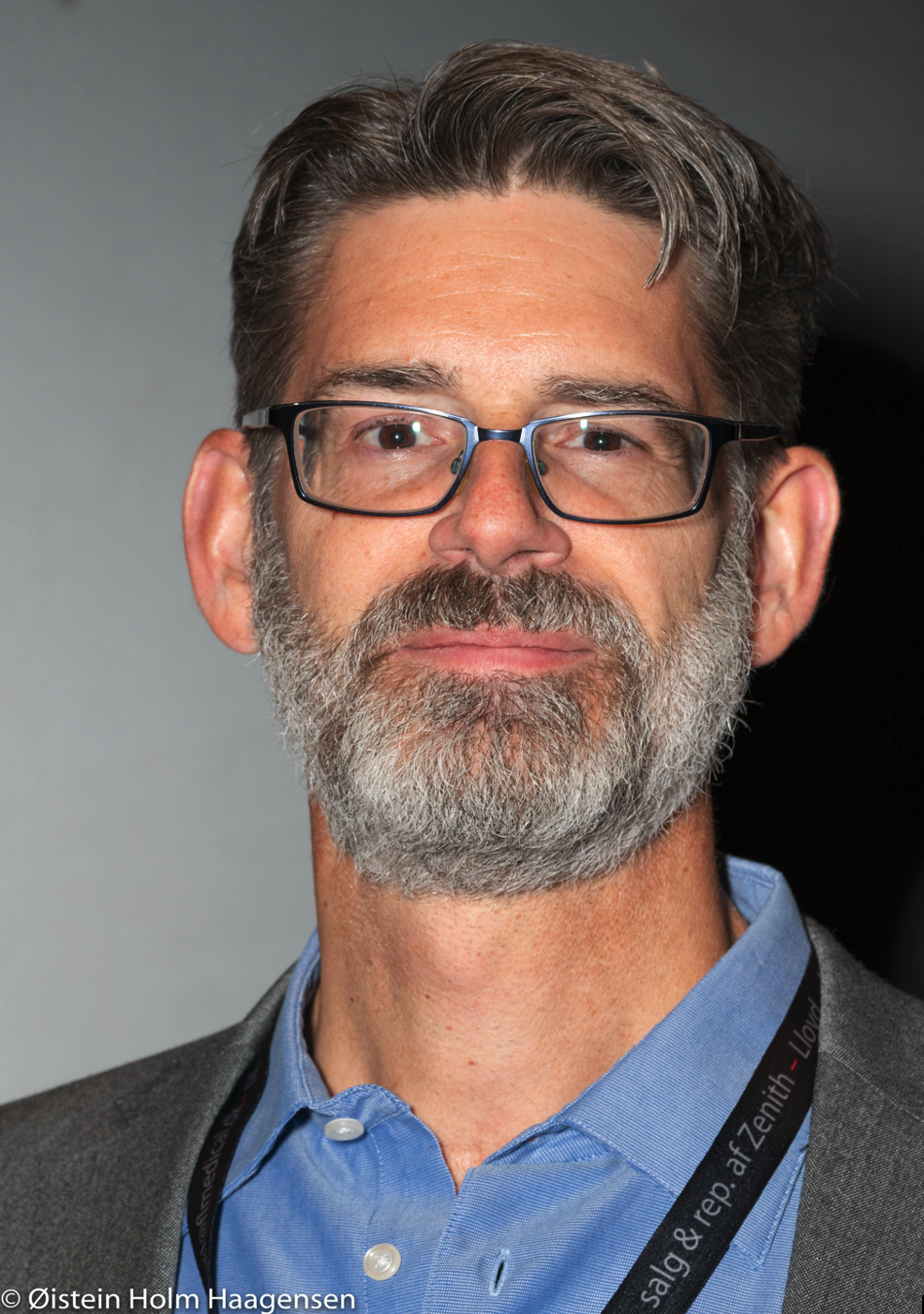
Dr André Bussières
Professor, Department of Chiropractic, Université du Québec à Trois-RivièresDr. André Bussières is Professor in the Department of Chiropractic at Université du Québec à Trois-Rivières (Canada) and Adjunct Professor at McGill University, the Institut Franco-Européen de Chiropraxie (France), the University of Manitoba, and the Canadian Memorial Chiropractic College. From 2012 to 2018, he held a Professorship in Rehabilitation Epidemiology at McGill University. Dr. Bussières leads the Global Spine Care Initiative at World Spine Care and is a member of the World Rehabilitation Alliance (World Health Organization) and the Spine20 Scientific Taskforce. His research focuses on implementation science, rehabilitation, health services research, clinical practice guideline development and implementation, and health professions education. His work aims to accelerate the translation of evidence into practice through collaborative, partner-engaged approaches, including living labs and other real-world implementation strategies. He has authored over 160 peer-reviewed publications and is recognized for his contributions to evidence-informed rehabilitation and spine care.
Evdokimos Konstantinidis
Assistant Professor, Lab of Medical Physics and Digital Innovation at Aristotle University of Thessaloniki
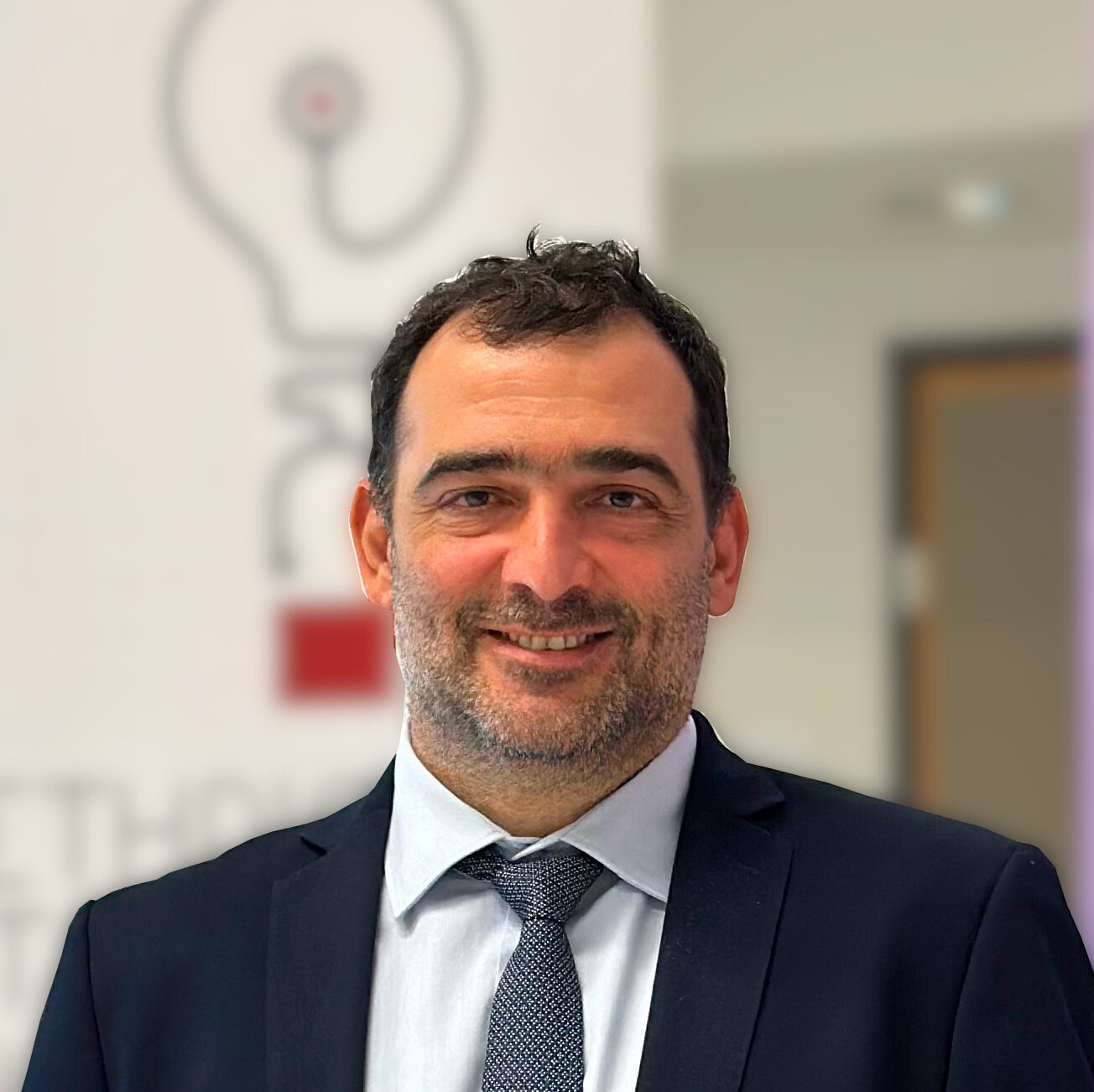
Evdokimos Konstantinidis
Assistant Professor, Lab of Medical Physics and Digital Innovation at Aristotle University of ThessalonikiEvdokimos Konstantinidis is an Assistant Professor in Digital, Technological and Open Innovation in Health at the Lab of Medical Physics and Digital Innovation in the Aristotle University of Thessaloniki. He is Vice-Chair of the European Network of Living Labs (ENoLL) and served as Chair from 2021 to 2024. He is coordinator of the ENoLL Health and Wellbeing Living Labs Working Group and his research interests lie predominately in Living Lab methodologies combined with agile aspects in the Health and Wellbeing domain, Open Science and Data Management as well as technological interventions in the field of healthcare. He is currently coordinating Horizon Europe projects on services for the European Open Science Cloud and on innovation experimentation frameworks through Living Labs. He has successfully coordinated the VITALISE project, aiming to harmonize the procedures and ICT tools of the Health and Wellbeing Living Labs, towards creating an open ecosystem for the European researchers.
Aliki Thomas
Researcher, Centre for Interdisciplinary Research in Rehabilitation (CRIR)

Aliki Thomas
Researcher, Centre for Interdisciplinary Research in Rehabilitation (CRIR)Dr. Aliki Thomas is an occupational therapist, Professor in the School of Physical Occupational Therapy (SPOT), cross-appointed scientist at McGill’s Institute of Health Sciences Education (IHSE) and researcher at the Centre for Interdisciplinary Research in Rehabilitation (CRIR). She holds a Canada Research Chair in Education, Practice and Policy for Evidence-Based Healthcare (EBHC) from the Canadian Institutes of Health Research and leads an internationally recognized research program that addresses the underutilization of scientific findings in practice. Her research aims to bring key stakeholders from education, practice and health policy to synergistically co-develop, implement, and test innovative strategies that will lead to equitable, person-centred, and evidence-informed rehabilitation services. Her pioneering work at the nexus of education and practice has yielded transformative insights into how occupational therapy programs can more effectively prepare learners for their roles as scholarly practitioners. Her research also offers critical perspectives on how occupational therapists in the field understand, engage with, and apply evidence. By facilitating collaboration among pivotal stakeholders in education, practice, and health policy, Dr. Thomas is advancing the development and implementation of innovative, equitable, and person-centred occupational therapy services. Dr. Thomas has published over 160 peer-reviewed papers, 7 book chapters and several technical reports, and has delivered over 225 conference presentations and 100 invited talks, including 23 keynote addresses. She has received 44 research grants as principal or co-principal investigator (valued at more than $7M) and 32 as co-investigator (valued at more than $5M). She is the founder and director of the Knowledge Exchange and Education in the Health Professions (K.E.E.P) lab; she has supervised 11 postdoctoral fellows, 7 PhD students, and 4 master’s students in the areas of Health Sciences Education, EBHC, and KT.
Ambre Laplaud
Research & Innovation Project Manager, Gérontopôle Nouvelle-Aquitaine
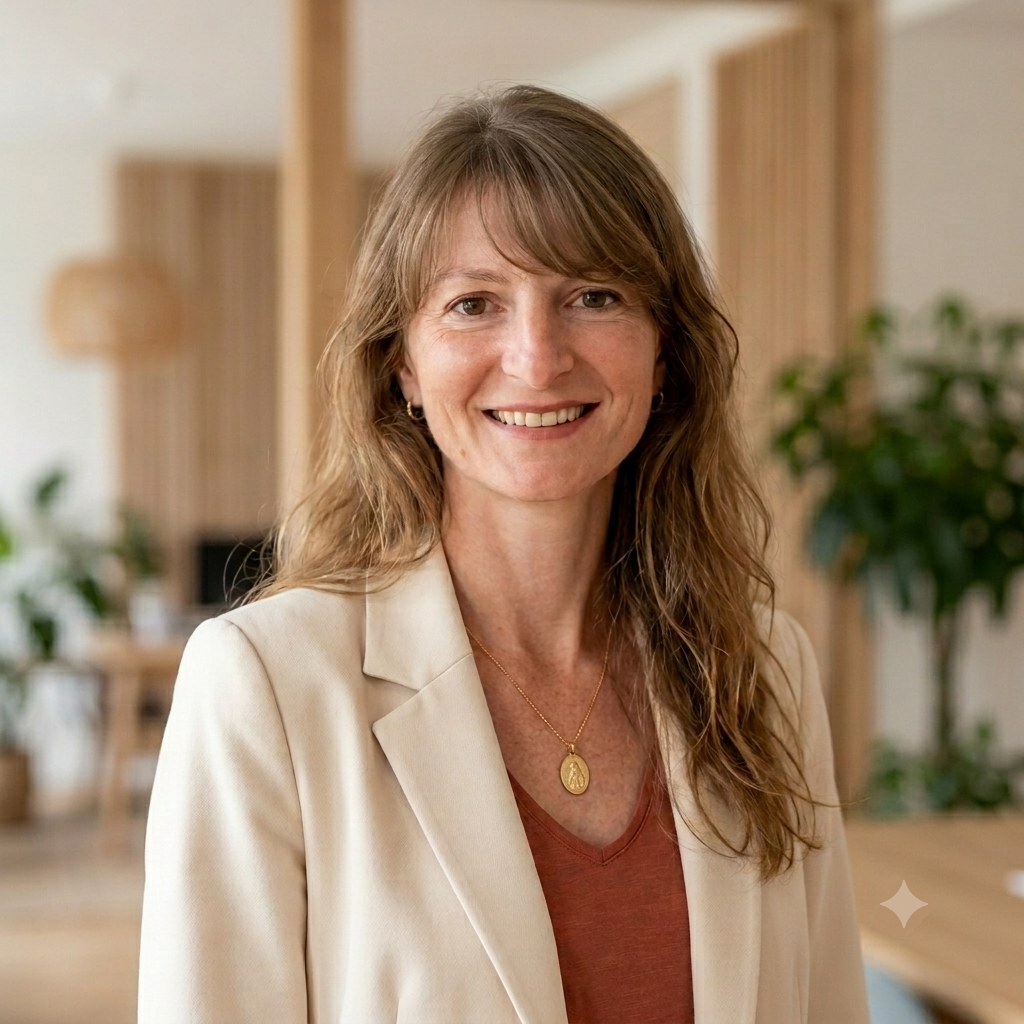
Ambre Laplaud
Research & Innovation Project Manager, Gérontopôle Nouvelle-AquitaineAmbre Laplaud holds a PhD in Health Law and is a Research & Innovation Project Manager at the Gérontopôle Nouvelle-Aquitaine (France). She is an associated researcher at the HAVAE research unit (UR 20217, University of Limoges) and sits on the Scientific and Ethics Committee of the GCS EDS Nova (Limoges University Hospital). Her work lies at the intersection of health law, bioethics and digital health policy, with a focus on the social ethics of digital technology and healthy ageing. A substantial part of her activity consists in supporting digital health innovators — start-ups, research teams and care providers — in addressing the ethical and regulatory dimensions of their projects, from early design to deployment. This includes European and national requirements, ethical assessment, and a "compliance by design" approach developed through her work. She also teaches health data protection and digital health regulation at ILFOMER and 3iL (Limoges) and to Master's students in health and social care management.
Pierre Côté
Director, Institute for Disability and Rehabilitation Research (IDRR)

Pierre Côté
Director, Institute for Disability and Rehabilitation Research (IDRR)Pierre Côté is an epidemiologist and global leader in disability and rehabilitation research. He is a professor at Ontario Tech University and the founding Director of the Institute for Disability and Rehabilitation Research (IDRR), an international research hub dedicated to improving functioning, participation, and quality of life for people with disabilities and rehabilitation needs. In 2024, Professor Côté was appointed Director of the World Health Organization Collaborating Centre on Rehabilitation and Musculoskeletal Health. He also provides leadership to Cochrane Rehabilitation, a global network advancing the production and use of high-quality evidence to strengthen rehabilitation practice, policy, and research. His research focuses on developing evidence to improve functioning among people with chronic health conditions and to inform decision-making across health systems and rehabilitation settings.
Bianca Elena Mihăilă
Lecturer, Faculty of Sociology and Social Work, University of Bucharest

Bianca Elena Mihăilă
Lecturer, Faculty of Sociology and Social Work, University of BucharestBianca Elena Mihăilă is a researcher and university lecturer at the Faculty of Sociology and Social Work, University of Bucharest. She is affiliated with the Center for Innovation in Medicine (InoMed) and the Center for Advanced Studies in Organizations and Complex Networks (GraphNets). Her current research focuses on the interaction between science, citizen engagement, and public policy. Recently, her work has explored how citizen engagement is designed and implemented in health policy processes, as well as how different stakeholders interact within policy landscapes. Her broader research interests include migration studies, examining how migrants access employment opportunities through transnational social networks, the role of personal networks in shaping health behaviors, and scientometric research on the impact of transnational co-authorship on academic prestige. Methodologically, she works with both quantitative and qualitative approaches, including social statistics, personal network analysis, and participatory network-based methods (Net-Map).
Emanuela Buzenche
Bioengineer, User Experience & Living Lab Researcher, Good Tech Living Lab

Emanuela Buzenche
Bioengineer, User Experience & Living Lab Researcher, Good Tech Living LabMy work focuses on co-creation, innovation project development, stakeholder engagement, and the assessment of innovation impact through Living Lab methodologies. I facilitate innovation workshops, conduct applied research, and contribute to national and international initiatives that support user-centered and socially impactful innovation.