Christoph Vollath
Manager, Green and Urban Mobility at ERTICO ITS Europe
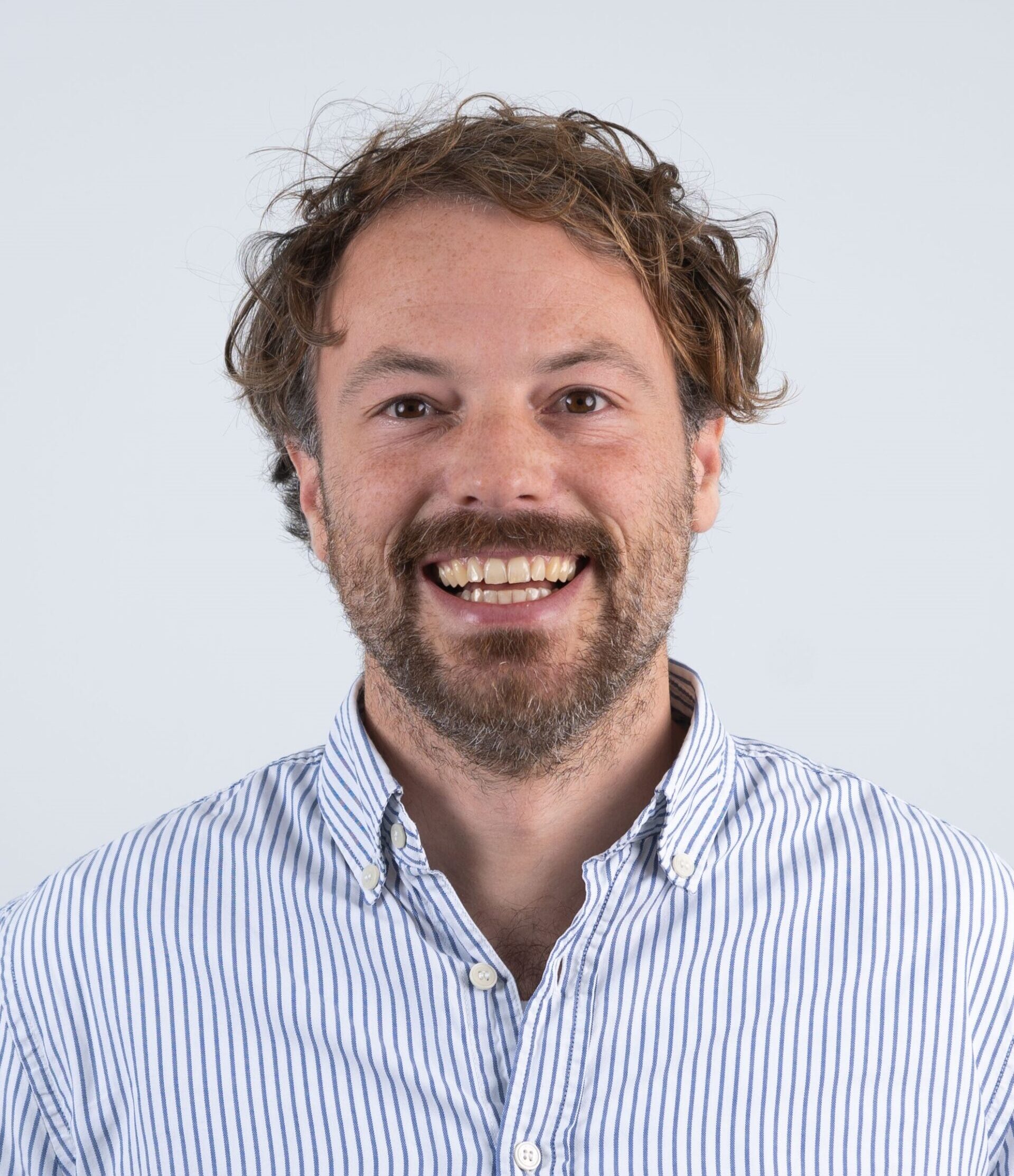
Christoph Vollath
Manager, Green and Urban Mobility at ERTICO ITS EuropeChristoph is a Manager in the Green and Urban Mobility area at ERTICO ITS Europe. Before that, he acted as the Technical Director at the mobility user organisation RACC in Barcelona, and as a transport consultant for Steer in London, Bolognaand Delhi. He focuses on consultancy and European funded research and innovation projects in the areas of sustainable mobility, road safety and intelligent transport systems (ITS).
Josep Maria Salanova Grau
Principal Researcher, CERTH/HIT

Josep Maria Salanova Grau
Principal Researcher, CERTH/HITDr. Josep Maria Salanova Grau is a Principal Researcher at the Hellenic Institute of Transport/Center for Research and Technology Hellas where he leads the operations research and data analysis laboratory supporting the Thessaloniki Smart Mobility Living Lab. He is a former member of the Board of Directors at the European Network of Living Labs (ENoLL), where he currently leads the mobility working group. His expertise includes transport modelling, ITS and cooperative ITS, Operations Research for optimizing passenger and freight transport and Data Science. He accounts for more than 60 journal publications, 18 book chapters, more than 200 conference papers and more than 2000 citations in google scholar.
Riccardo Saraco
Project Manager, EU Funds and Innovation Department of the Municipality of Turin

Riccardo Saraco
Project Manager, EU Funds and Innovation Department of the Municipality of TurinRiccardo Saraco is a project manager at the EU Funds and Innovation Department of the Municipality of Turin. He has a BA in Political Sciences and a master's degree in public policies. Having gained previous experience in various municipal sectors, he has held his current position since 2016, managing EU and national-funded projects, especially those related to the environment, nature-based solutions (NBS), emerging technologies, and the ethical impact of AI systems.
Indranil Bhattacharya
Digital Society workstream, Townmaking
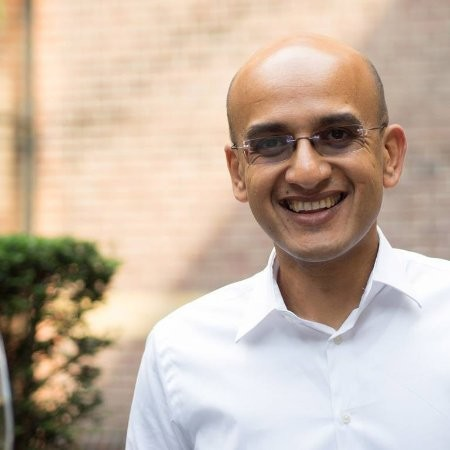
Indranil Bhattacharya
Digital Society workstream, TownmakingIndranil leads the Digital Society workstream in Townmaking. He has fulfi lled a variety of Product Engineering roles for almost thirty years, from staff engineer to leadership positions in Fortune100 companies in telecommunications, transportation, healthcare, retail, manufacturing, and energy. In parallel to helping the leading corporations in Europe develop products, he has also worked on developing societal assets for more than twenty years. Between 2006 to 2016, these societal initiatives ranged from a peer-to-peer logistics network for helping independent farmers develop their own supply chains direct to homes and restaurants, to a retail network of independent shops. Since 2016, these eff orts were consolidated into the Townmaking Institute to help develop societal initiatives that are sovereign, speculation-free, and environmentally-grounded. Indranil specializes in semantic intelligent systems using a knowledge engineering methodology (Embodied Making), which is currently applied for the development of food, transportation, and energy systems.