Sónia Alves
Scientific Researcher, K8 Institute for Strategic Aesthetics
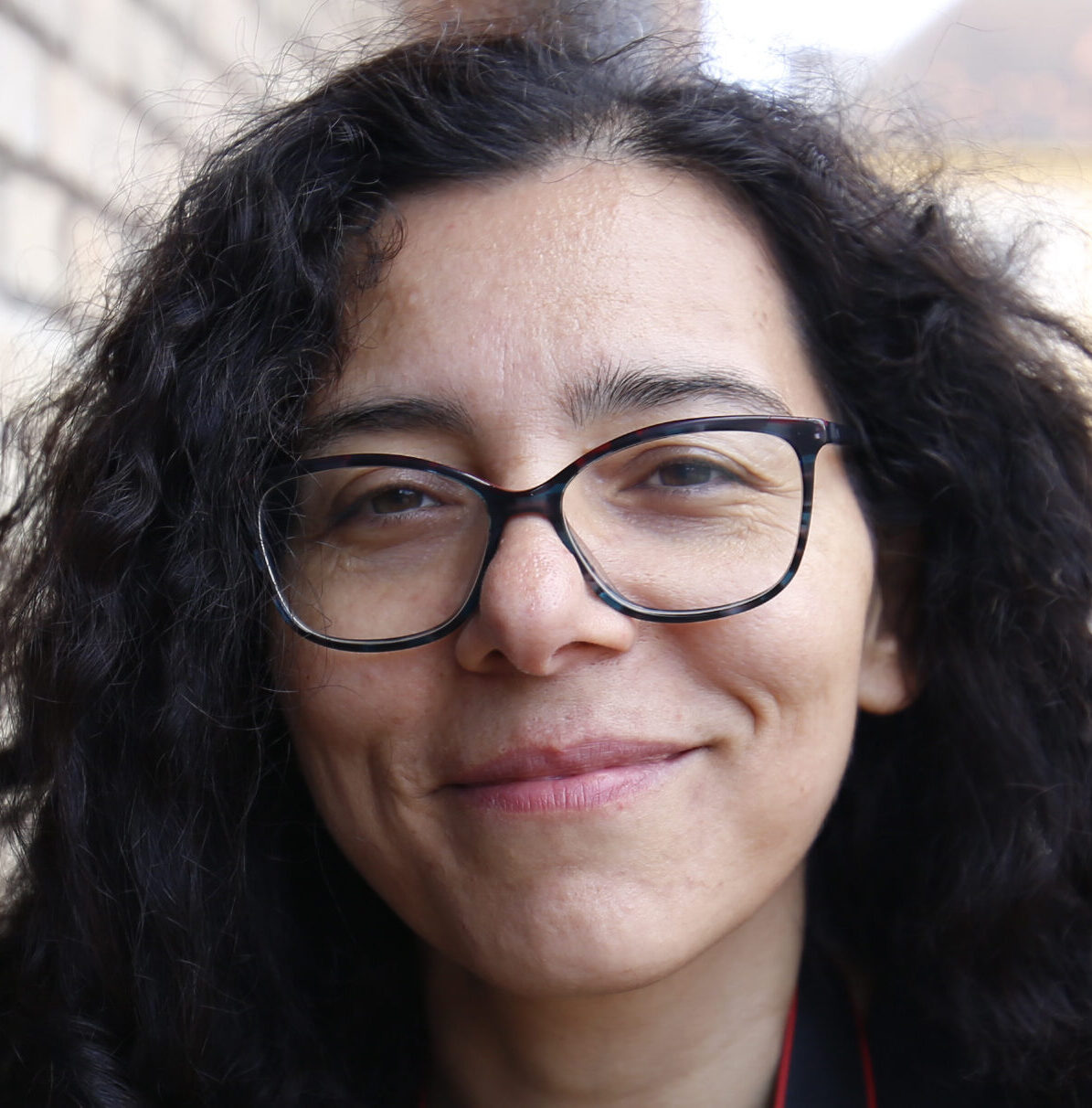
Sónia Alves
Scientific Researcher, K8 Institute for Strategic AestheticsSónia Alves is a scientific researcher at K8 Institute for Strategic Aesthetics (Saarbrücken, Germany). She works in Art, Culture, Technology, Learning Ecosystems and Future Skills, and Public Sector Innovation. Currently, she is active in EU Projects CYANOTYPES (Erasmus+) and Twin4Resilience (Interreg NWE). Her research interests include systems design, cybernetics and ecologies of technology; foresight and future knowledge systems. She holds a Diploma in Art History and a master in Communication Sciences with a research focus on Contemporary Culture and New Technologies
Tobias Meyer
Researcher, K8 Institute for Strategic Aesthetics
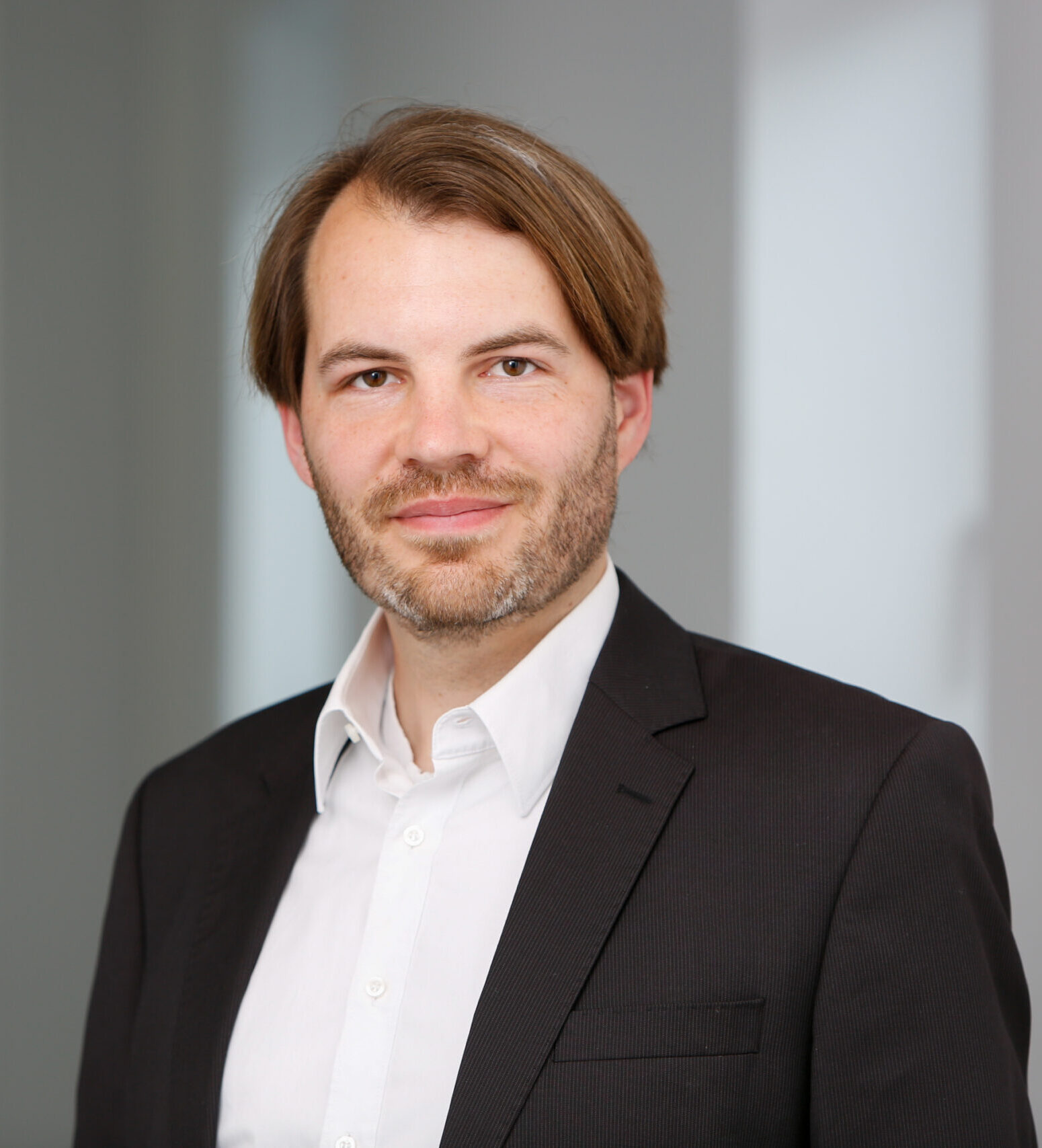
Tobias Meyer
Researcher, K8 Institute for Strategic Aesthetics
Tobias Meyer's research interest is enabling people to use technology. Coming from the technical side and with a Systems Engineering view, he expanded into Socio-Ecological-Economic Systems to create acceptance for novel technical solutions and to establishtheir application.
Before joining K8 Institute for Strategic Aesthetics, he headed the group Advanced Control Systems at Fraunhofer Institute for Wind Energy Systems (IWES). His research focused on cross-system control loops and their use to optimally operate wind turbines and wind farms.
He received his Diploma and his Ph.D. in Mechanical Engineering from Paderborn University.
Riccardo Saraco
Project Manager, EU Funds and Innovation Department of the Municipality of Turin

Riccardo Saraco
Project Manager, EU Funds and Innovation Department of the Municipality of TurinRiccardo Saraco is a project manager at the EU Funds and Innovation Department of the Municipality of Turin. He has a BA in Political Sciences and a master's degree in public policies. Having gained previous experience in various municipal sectors, he has held his current position since 2016, managing EU and national-funded projects, especially those related to the environment, nature-based solutions (NBS), emerging technologies, and the ethical impact of AI systems.