DATE & TIME
30 September 2026, 15:45 – 17:15
ROOM
Peacock 1
TRACKS
TRACK 2: Living Labs for Policies, Governance, Collaboration and Innovation Ecosystems
TRACK 5: Living Labs Operations, Methods, Tools, and Impact
Description
How do Living Labs know if they are truly creating regenerative impact — or just managing activities? This hands-on workshop introduces QXote’s Regenerative Project Canvas (RPC): a practical, one-page tool that integrates strategic alignment, the Eight Forms of Capital, permacultural ethics, and effects-based management into a single project governance instrument.
Participants will work in small groups to apply the RPC to a real or hypothetical Living Lab project, moving from ‘are we doing what we said we’d do?’ to ‘what kind of regenerative system are we becoming?’ They will leave with a completed canvas, a shared vocabulary for multi-capital impact assessment, and a tool they can immediately apply in their own Living Lab context.
Agenda
| Time | Item |
|---|---|
| 15:45 – 15:50 |
Welcome & Framing Hans & Sunamita introduce themselves and QXote; set the stage with one provocative question. |
| 15:50 – 16:05 |
Plenary: The Governance Gap Hans presents: why management-by-objectives falls short for Living Labs; the three logic layers (MIGMAP / 8 Capitals / Permaculture ethics). Sunamita adds field examples from QXote. |
| 16:05 – 16:10 |
Canvas Introduction Brief walkthrough of the Regenerative Project Canvas — all sections explained in 5 minutes. Groups receive printed A2 canvases and sticky notes. |
| 16:10 – 16:40 |
Group Work: Apply the RPC Groups of 4–5 apply the canvas to a project they bring (or a provided case). Hans facilitates overall flow; Sunamita coaches groups on 8 Capitals and ethical framing. |
| 16:40 – 16:55 |
Harvest & Sharing Each group shares one key insight or tension. Facilitated plenary reflection: surprises, shifts, next steps. |
| 16:55 – 17:05 |
Wrap-Up & Takeaways Hans: Power question. Download link for canvas. Optional: join a peer exchange group. Sunamita: closing reflection on regenerative governance. |
| 17:05 – 17:15 |
Open Exchange / Networking Informal conversation; participants photograph canvases; facilitators available for questions. |
Facilitators
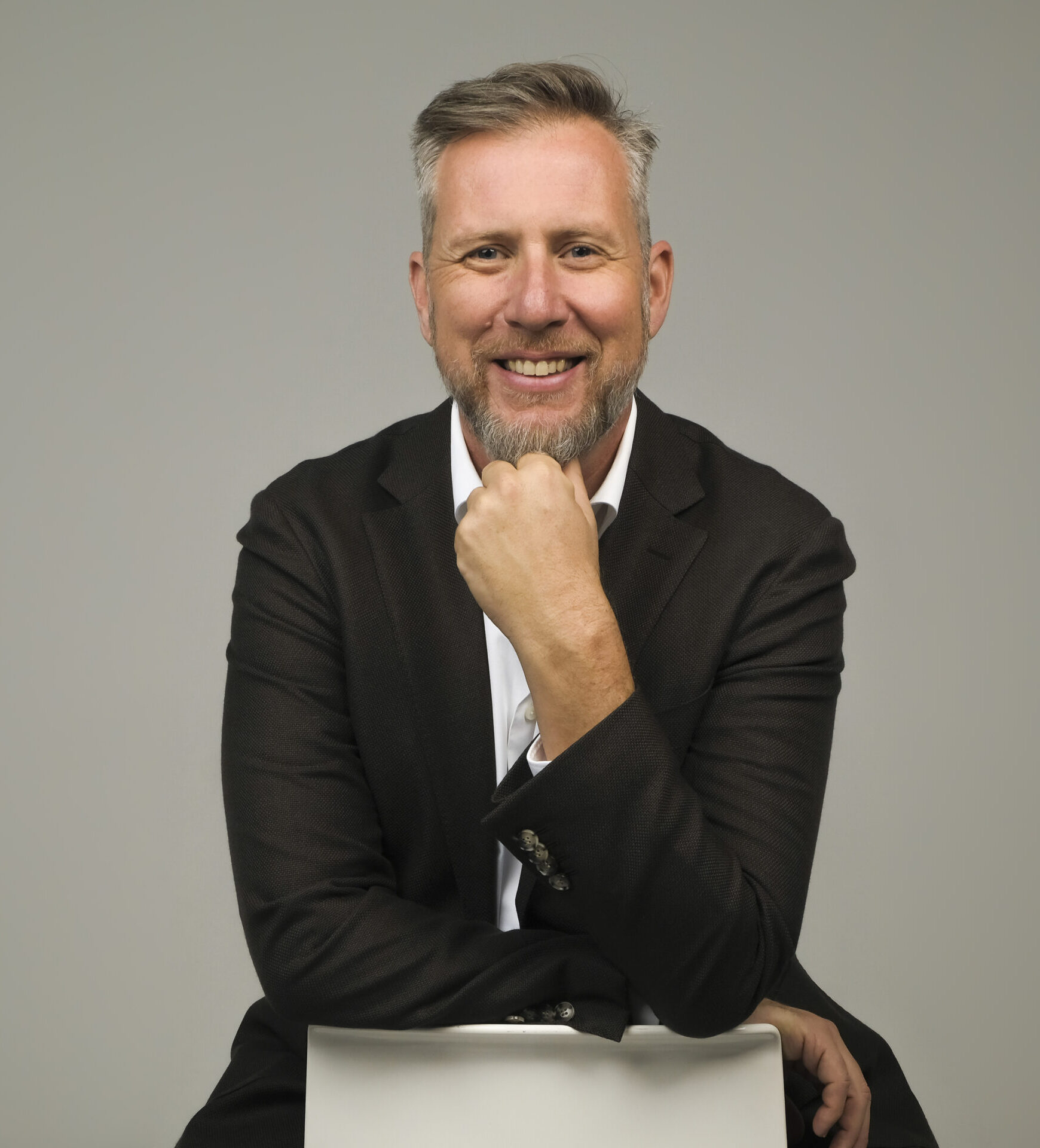
Johannes (Hans) Lodders
Co-founder, XQuote
Johannes (Hans) Lodders
Co-founder, XQuoteHans Lodders (Dutch) holds a Master’s degree in Media and Innovation and has over 25 years of experience as a consultant, project and programme manager. His work focuses on the development of new services, platforms, and building organisations at the intersection of innovation, sustainability, education and collaboration. He is specialised in setting up and facilitating broad multi-stakeholder partnerships across public, private, academic, and civil society actors. Hans is currently also a social entrepreneur and co-founder of QXote in 2021, a quintuple helix Living Lab in the rural south of Portugal, that brings together education, research, business, government, and local communities to support sustainable regional development through learning, experimentation, and co-creation.
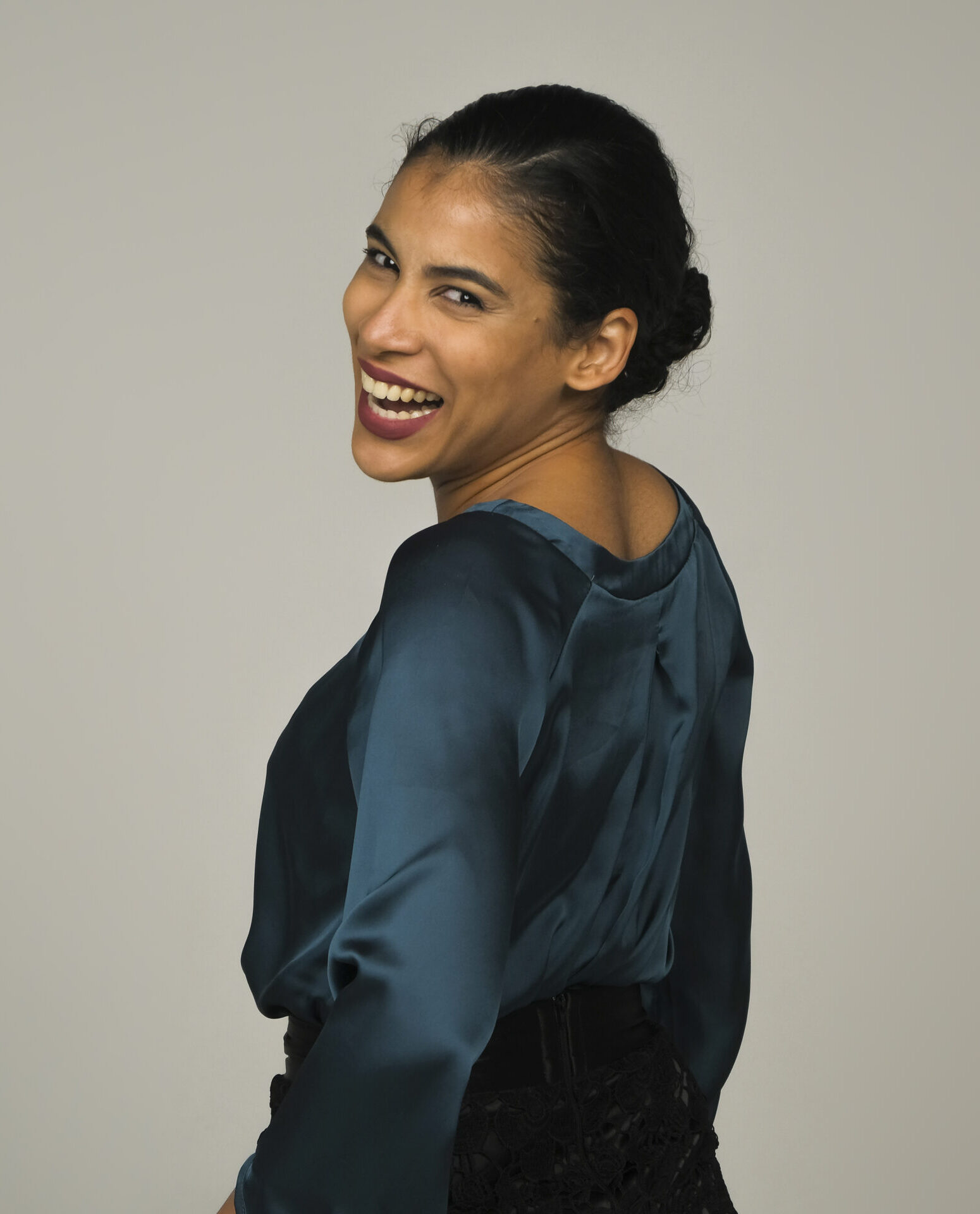
Sunamita Borges da Costa
Co-founder, XQuote
Sunamita Borges da Costa
Co-founder, XQuoteSunamita (Brazilian) holds a PhD in the Geography of Innovation and public policy in Science, Technology, and Innovation. She also holds a Master’s degree in Environmental Management and Policies, with a focus on alternative technologies for family farming in semi-arid regions. Her research adopts a transdisciplinary approach within the social sciences, combining qualitative and quantitative methods. She focuses on innovation-related inequalities, asymmetries, and territorial imbalances resulting from the global diffusion of contemporary scientific and technological paradigms. Sunamita has extensive experience in international research projects in partnership with universities in Europe and Latin America and in mobilising public and private research funding. She is currently a social entrepreneur and co-founder of QXote, a quintuple helix Living Lab in the rural south of Portugal, where she contributes to sustainable regional development through education, research, and collaborative innovation.