Marta De Los Rios White
Head of Capacity Building & Research, ENoLL
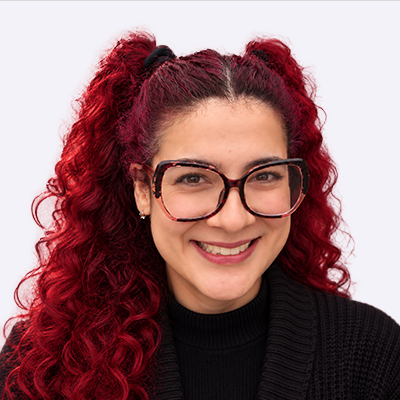
Marta De Los Rios White
Head of Capacity Building & Research, ENoLLMarta De Los Rios White is the Head of Capacity Building and Research at ENoLL. She is a Process Engineer with a Master in Sustainable Cities with international project management experience. She is a professional with more than 10 years of experience in sustainable and participative process improvement and transformation, co-creation of solutions and Capacity Building. With proven abilities in strategic and systemic thinking, leadership, and teamwork, her work has focused mostly on project management and capacity building. She is an experienced project manager with experience supporting the implementation of international cooperation projects for different donors and specially for the European Commission.
Isabelle Couture
Deputy Head of Capacity Building, ENoLL
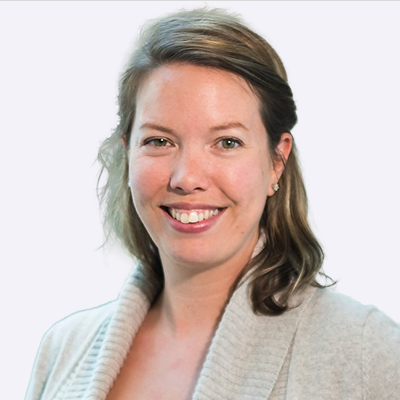
Isabelle Couture
Deputy Head of Capacity Building, ENoLLIsabelle Couture is the Deputy Head of Capacity Building and Research at ENoLL and has more than 12 years of experience working in the public, private and nonprofit sectors to develop and implement successful programs and engagement strategies. Her previous work experience covers a range of policy research projects and partnership-building activities in Canada and abroad. She previously worked at the Smart Prosperity Institute and The Natural Step Canada where she led the implementation of programming aimed at accelerating the transition to a sustainable society.
Áine Macken-Walsh
Senior Research Officer, Teagasc’s Rural Economy and Development Programme (REDP
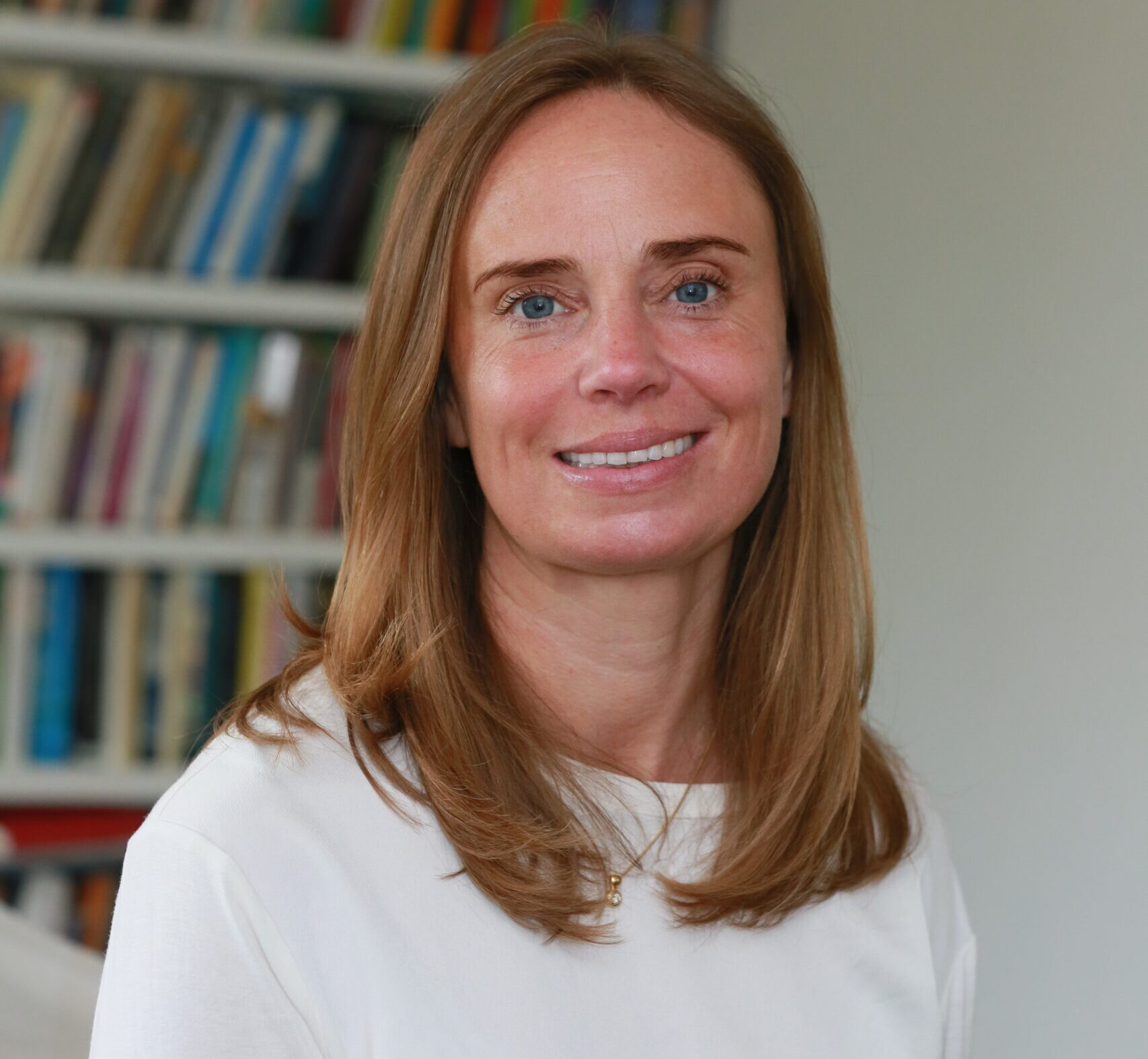
Áine Macken-Walsh
Senior Research Officer, Teagasc’s Rural Economy and Development Programme (REDPÁine Macken-Walsh is a Senior Research Officer at Teagasc’s Rural Economy and Development Programme (REDP). She is a sociologist, using narrative, participatory and action research methodologies intersected with co-design processes. She works in transdisciplinary contexts, addressing societal challenges relating to diverse issues such as human cooperation, gender, animal health, climate change, consumer: producer chains and the bioeconomy. Áine founded and leads Teagasc’s Agri-Innovation and Learning (AgILe) Living Laboratory, supporting and evaluating multi-actor co-design of agri-food system policy and extension interventions.
Raija Kaljunen
Service Designer and Learning Facilitator, Laurea University of Applied Sciences

Raija Kaljunen
Service Designer and Learning Facilitator, Laurea University of Applied SciencesRaija Kaljunen (MA, Master’s Degree in Service Design) is a Service Designer and Learning Facilitator at Laurea University of Applied Sciences. She works in EU‑funded R&D projects, applying Living Lab principles and methods to support sustainability-driven and participatory development. Raija has extensive experience in designing and facilitating co‑creative and futures‑oriented processes that foster collaborative learning and create practical impact in real‑world contexts. Her work focuses on facilitating shared understanding and enabling meaningful dialogue, drawing on a strong background in communication.
Dr. Abdolrasoul (Rasoul) Habibipour
Associate Professor in Information Systems, Luleå University of Technology, Sweden, and Managing Director of Botnia Living Lab

Dr. Abdolrasoul (Rasoul) Habibipour
Associate Professor in Information Systems, Luleå University of Technology, Sweden, and Managing Director of Botnia Living LabDr. Abdolrasoul (Rasoul) Habibipour is Associate Professor in Information Systems at Luleå University of Technology, Sweden, and Managing Director of Botnia Living Lab and educational program leader at LTU. His research focuses on participatory design, user engagement, co-creation, and Living Labs, with a particular interest in ethics, responsibility, and inclusive innovation. Rasoul has led and contributed to several international research and innovation projects and has extensive experience in developing and studying innovations in real-life settings.
Dimitri Schuurman
Senior Research Strategist, ENoLL

Dimitri Schuurman
Senior Research Strategist, ENoLLDimitri is a university business developer at research group imec-MICT-Ghent University where he is responsible for research on inclusive design, impact via Living Labs, and futures studies, all in the context of emerging technologies. He is a visiting professor of strategic design and innovation management at Ghent University and works part-time for the European Network of Living Labs as Senior Research Strategist. His PhD on innovation management in Living Labs developed a three-layered model that is widely used in Living Lab research and practice. Finally, Dimitri is active as an independent consultant in open innovation, user innovation and strategic innovation management.