Joëlle Mastelic
Living Lab Manager, Researcher, and Full Professor, University of Applied Sciences and Arts of Western Switzerland (HES-SO Valais-Wallis)
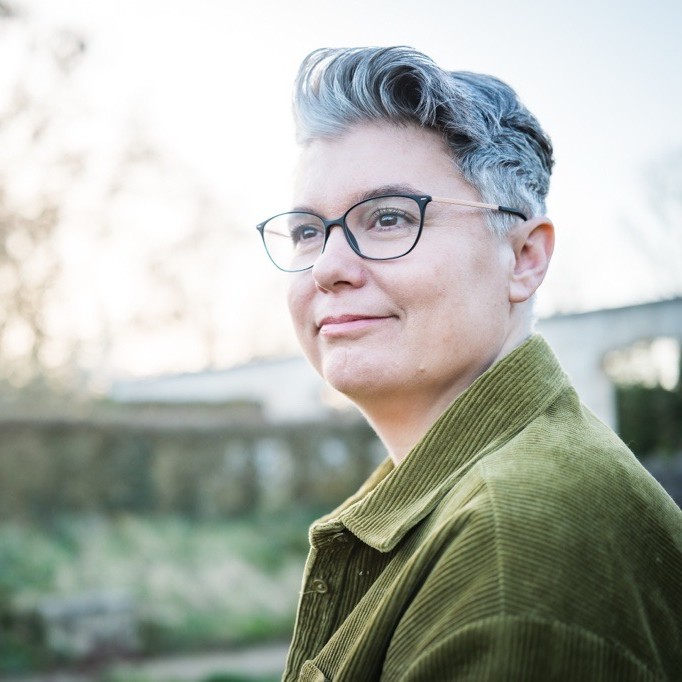
Joëlle Mastelic
Living Lab Manager, Researcher, and Full Professor, University of Applied Sciences and Arts of Western Switzerland (HES-SO Valais-Wallis)Dr. Joëlle Mastelic is an experienced Living Lab manager, researcher, and Full Professor at the University of Applied Sciences and Arts of Western Switzerland (HES-SO Valais-Wallis), with a background in social marketing. She is the author of the Living Lab Integrative Process (LLIP), further developed and applied in multiple projects, educational activities, and Living Labs worldwide. She is a founding member and Vice President of the Energy Living Lab Association and coordinator of the SWEET Lantern project (2021–2029), a Swiss consortium of more than 20 institutions advancing energy transition through co-created and evidence-based solutions. A former council member of ENoLL and co-organiser of the Open Living Lab Days in Switzerland, she is also developing initiatives at the intersection of regenerative innovation, medicinal plants, and the transmission of traditional herbal knowledge through participatory and community-based approaches.
Anastasia Ponomareva
Senior Researcher and Living Lab Practitioner, University of Applied Sciences and Arts of Western Switzerland (HES-SO)
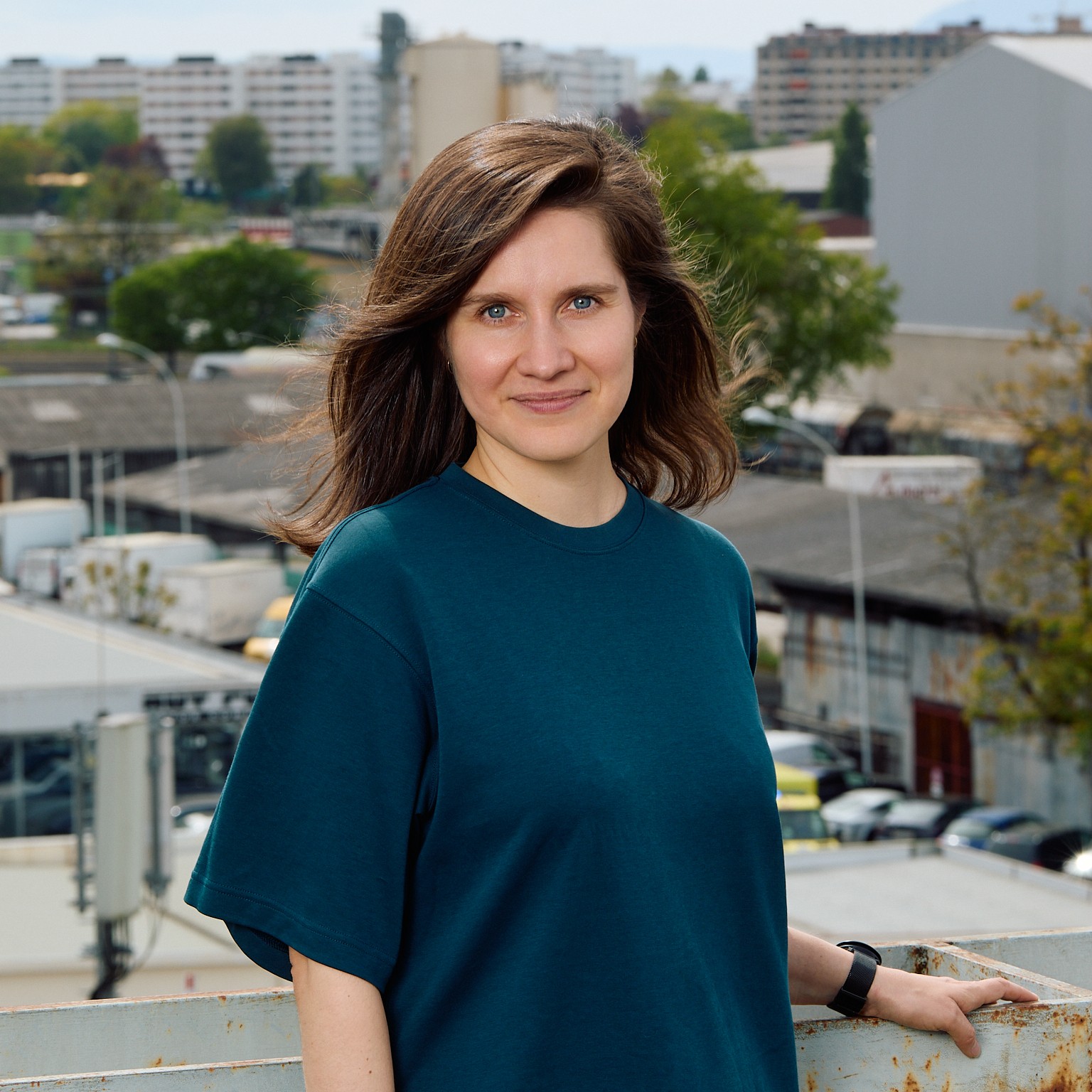
Anastasia Ponomareva
Senior Researcher and Living Lab Practitioner, University of Applied Sciences and Arts of Western Switzerland (HES-SO)Living Lab practitioner with a multidisciplinary background in urban planning, architecture, and innovation management. Senior researcher at the University of Applied Sciences and Arts of Western Switzerland (HES-SO), specialising in social innovation and urban transition. Co-author of multiple capacity-building and educational programmes based on Living Lab methodology, tailored to project goals such as zero-carbon neighbourhoods, place-based education, integrated climate & energy action plans, and digital transition roadmaps. Contributor to national (SWEET Lantern, SmartCity4Cities, Play4Change) and international (MICAD, oPEN Lab, 2ISECAP) initiatives, with a focus on knowledge transfer and learning platforms & services development and dissemination. Member of the CITÉ interdisciplinary center for urban transition in Geneva, integrating Living Lab approaches into participatory activities that support citizens and local stakeholders in urban retrofit processes. Committee member of the Energy Living Lab Association, participating in design and coordination of interactive tools – ranging from serious games to digital platforms – that support stakeholder engagement and collaborative decision-making.